Paper lighting creates a type of atmosphere that glass and metal fixtures often cannot replicate.
Instead of exposing a strong point of light, a paper shade turns the entire surface into a softer glow. The result is calmer, warmer and more comfortable for everyday spaces where people relax, gather or spend quiet moments.
But choosing a Japanese paper lamp is not only about the material. The shape, scale and placement all influence how the light changes a room. A rounded paper shade creates a softer feeling. A geometric form adds more structure. A tall floor lamp can bring warmth to an empty corner without making the space feel crowded.
The main appeal of paper lighting is how it changes the quality of light.

Instead of creating a sharp bright point, the paper shade helps spread the light across a larger surface. This creates a softer glow that feels more comfortable in spaces where you spend longer periods of time. Paper lighting works especially well when you want:
The goal is not always the strongest brightness. Sometimes the purpose of a lamp is to make the room feel more balanced.
Paper lamps can add warmth and texture without making a room feel crowded. Unlike large metal fixtures or dark glass lights that can become strong visual elements, paper shades keep the space feeling open and balanced. This makes them especially suitable for:

Even a larger paper lamp can work well when the shape remains simple and the surrounding space is kept clean.
Paper lamps do not usually rely on complicated details. Their character comes from:
That is why paper lighting works naturally with materials such as wood, linen, ceramic and stone. It adds warmth without introducing another strong decorative element.
The best paper lamp is not always the one with the shape you like first. A better way to choose is to start with what the room needs.
Do you want the space to feel softer and more relaxed? A rounded shade can help. Do you want more structure in a minimalist interior? A geometric form can add definition. Do you have an empty corner that feels unfinished? A tall paper floor lamp can bring warmth without adding bulky furniture.

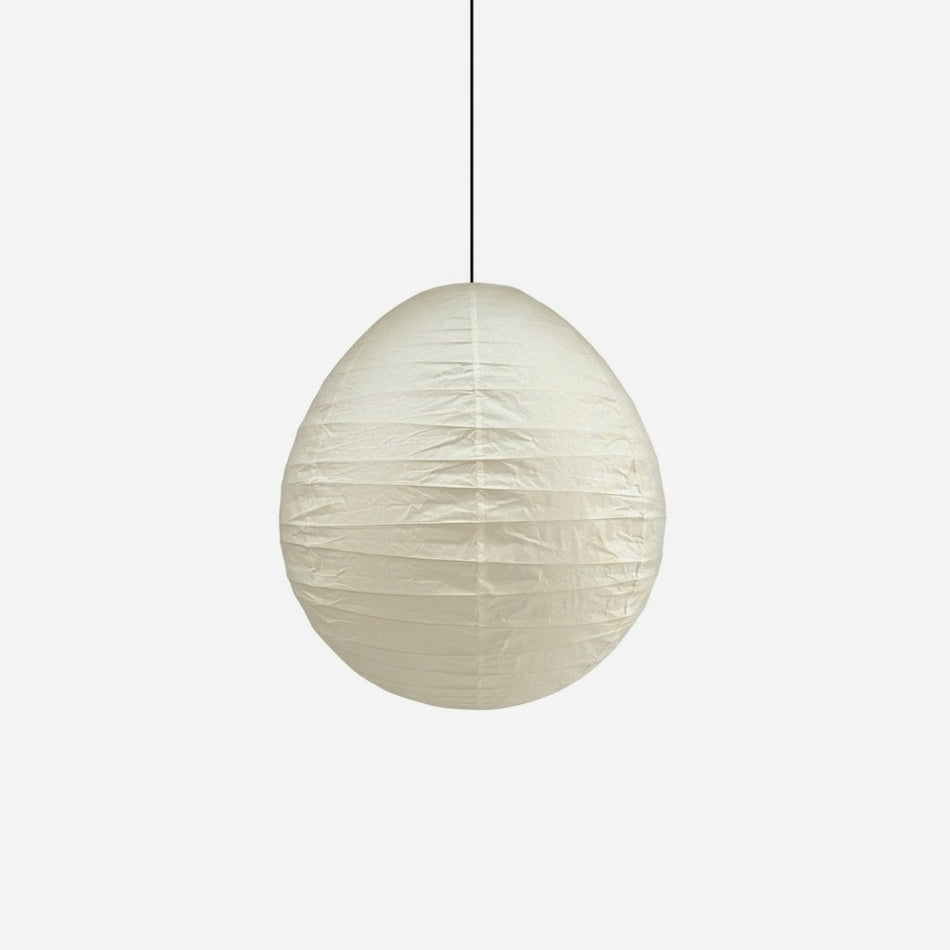
Round paper lamps create a softer visual rhythm because curved shapes naturally reduce the feeling of sharp lines. They work especially well in bedrooms, reading areas and relaxed spaces where the goal is to create a calm atmosphere rather than a strong decorative focal point.
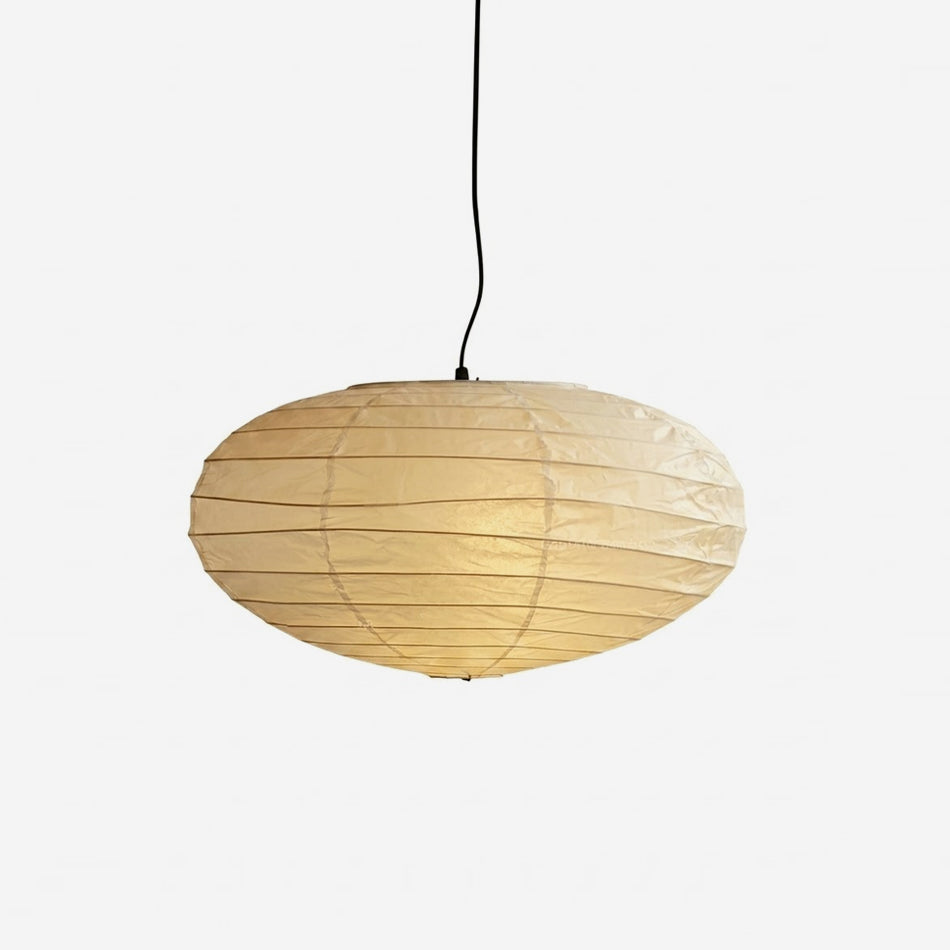
The Hikari Paper Pendant Light uses a rounded paper shade to create a gentle, diffused glow that works naturally above a bedside area, small dining table or quiet corner.
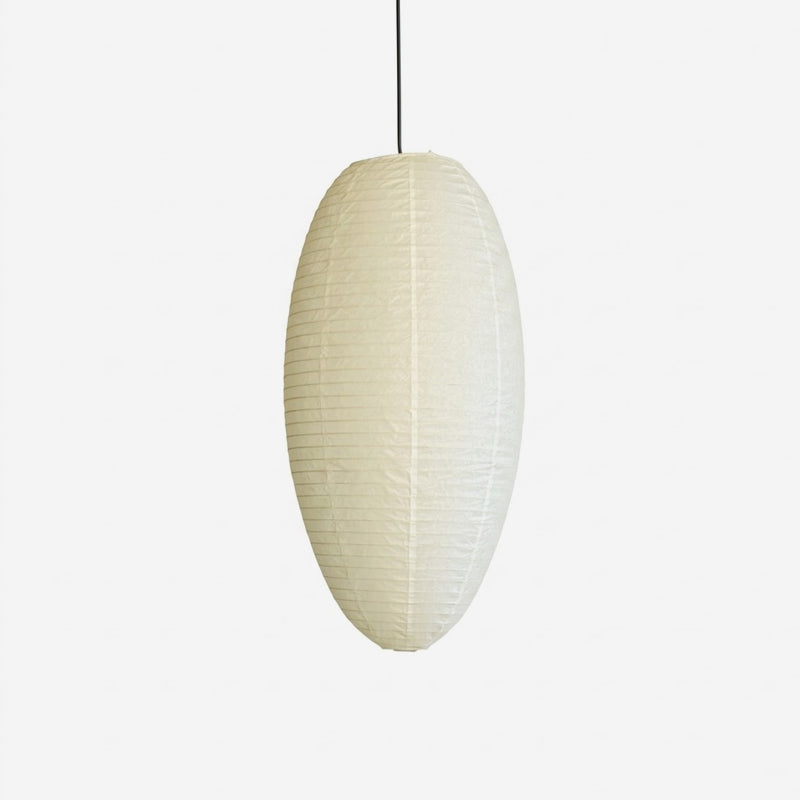
The Tomoe Paper Pendant Light takes a similar direction but adds a more sculptural silhouette, giving the room more character while keeping the overall feeling soft and balanced.
Choose a round paper lamp when you want the lighting to blend into the room and create a warmer background atmosphere.
Paper lighting does not always have to feel soft and organic. Geometric paper lamps introduce clearer lines and a more architectural feeling, making them a strong choice for Japandi and minimalist interiors.
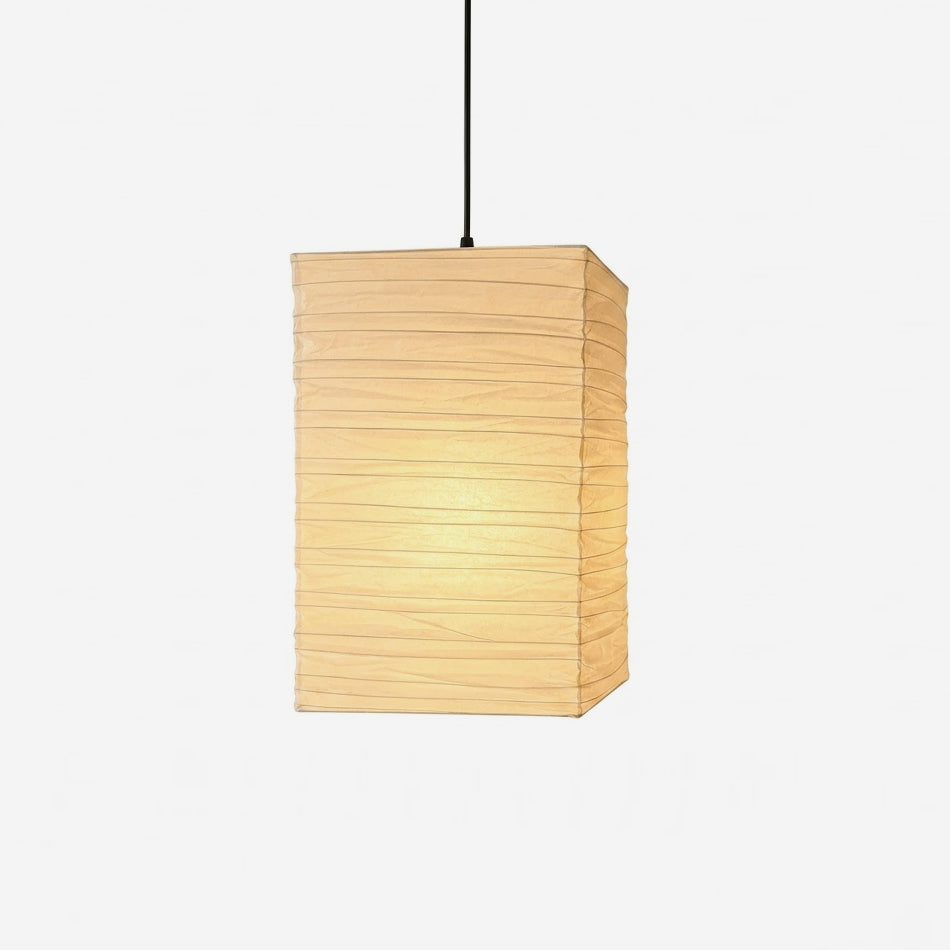
The Kaku Paper Pendant Light uses a cleaner geometric silhouette that pairs well with natural wood, simple furniture and structured spaces.
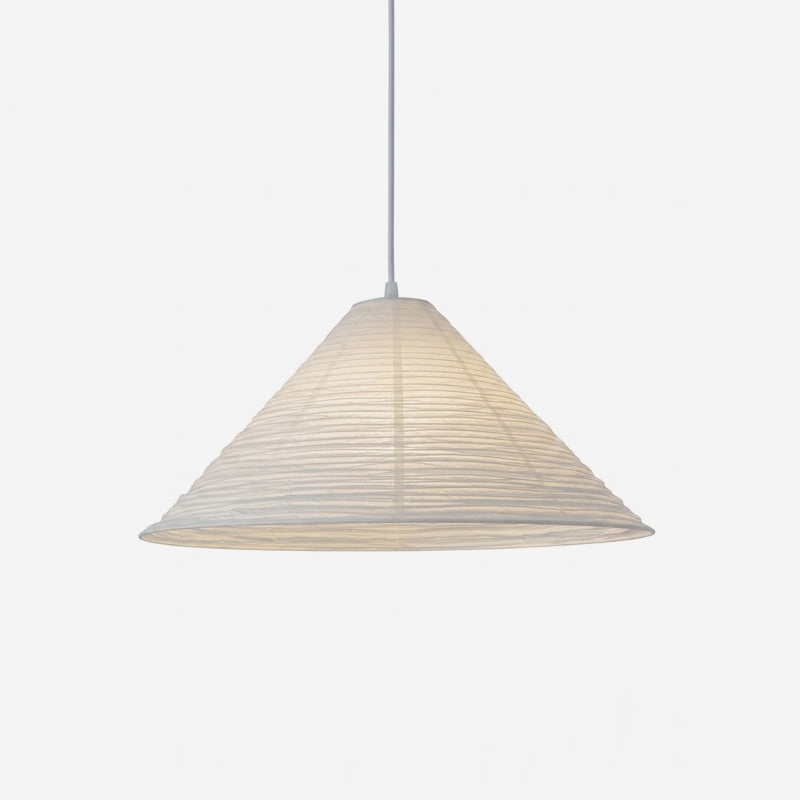
The Washi Paper Pyramid Pendant Light creates a stronger shape through its angled form, showing that paper lighting can feel modern and defined rather than traditional.
The Washi Paper EN Series Pendant Light brings a more modular approach, using repeated paper shades to create rhythm and balance across larger spaces.
Choose a geometric paper lamp when the room already has clean lines and you want the lighting to add structure without using heavier materials like metal or dark glass.

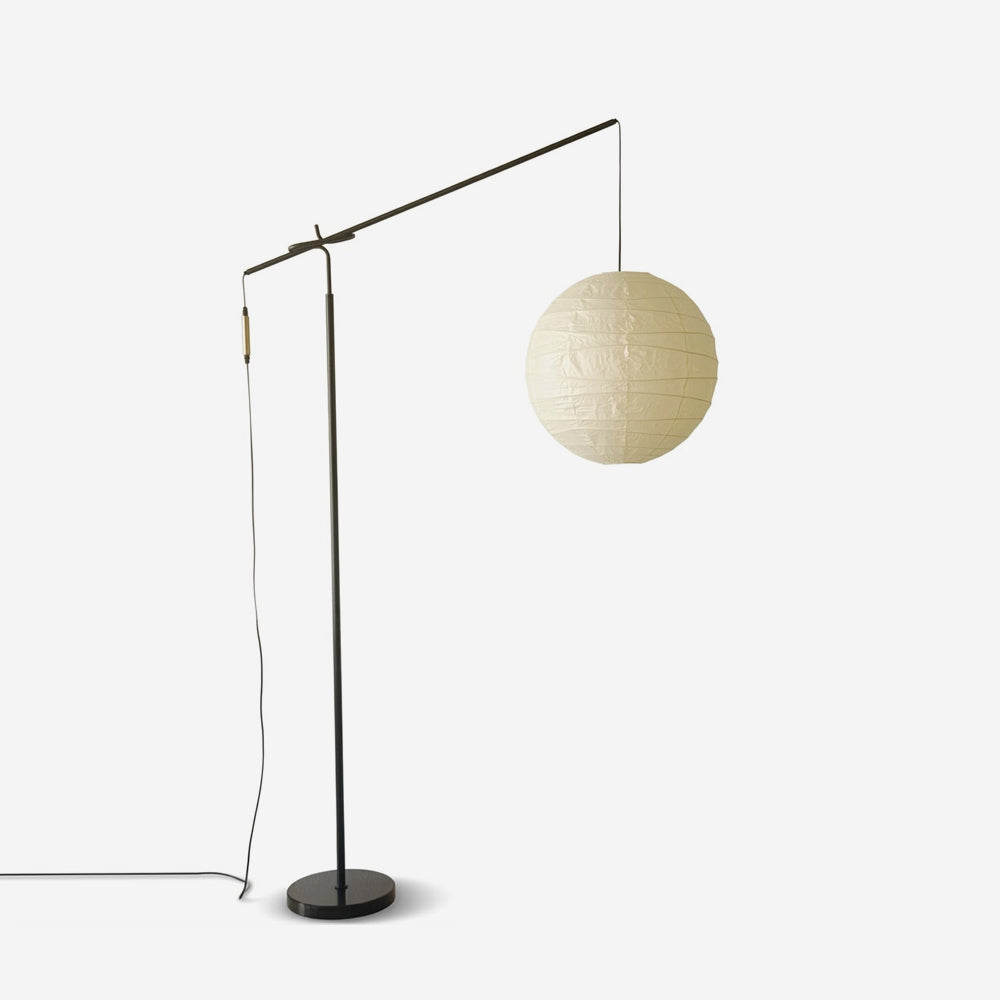
Not every lighting problem needs another ceiling fixture. A vertical paper floor lamp can transform an empty corner by adding height, warmth and a softer layer of light without taking up much visual space.
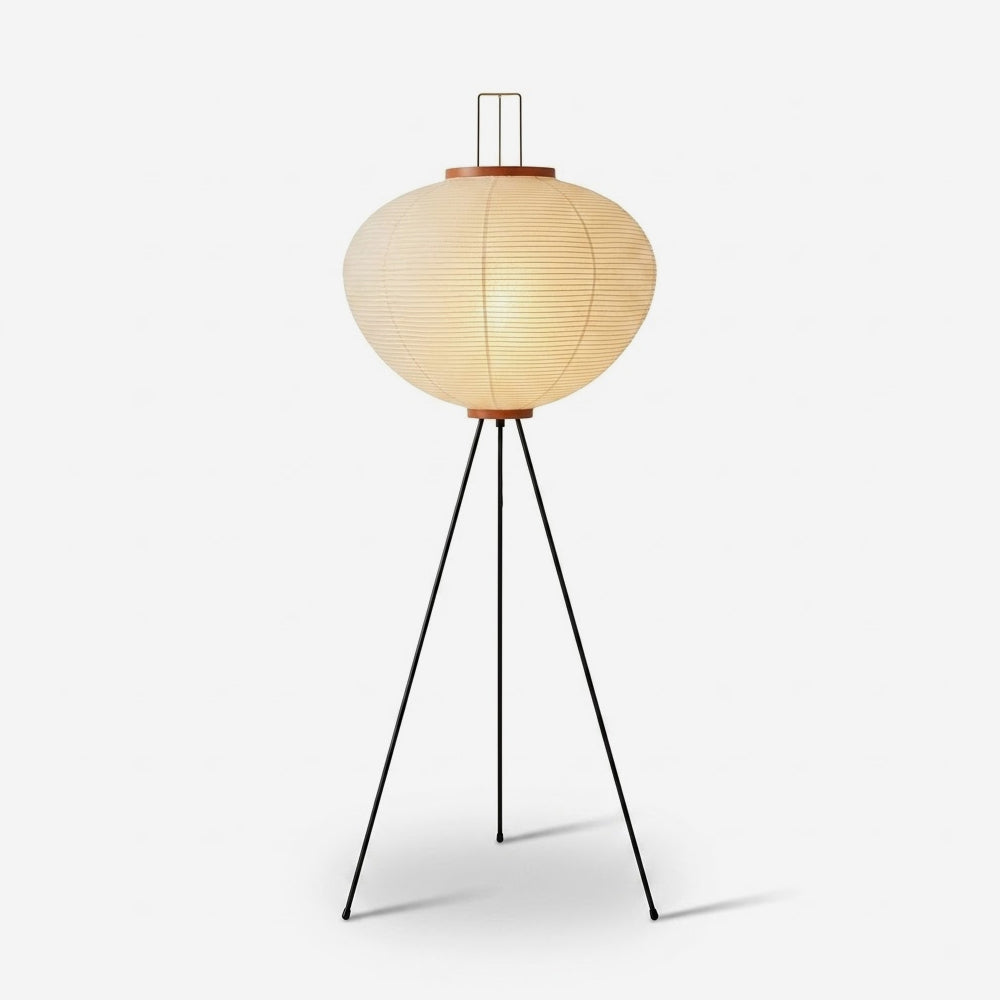
The Japanese Rice Paper Floor Lamp brings a classic paper-lighting feeling with its tall, lightweight silhouette.
The Kanso Paper Floor Light offers a cleaner modern interpretation, making it easier to place beside sofas, lounge chairs or quiet reading areas.
Choose a vertical paper lamp when a corner feels unfinished but you want to avoid adding another large piece of furniture.

The same paper material can create very different results depending on where it is used. Instead of choosing a lamp only by appearance, think about what the room needs most.

A rounded pendant can become a gentle focal point above the bed, while a smaller table lamp provides flexible bedside lighting without taking over the nightstand.
A paper pendant makes the table feel more inviting, adding softer illumination for everyday meals and gatherings. Rounded shades feel relaxed; geometric designs feel more structured.
A paper floor lamp provides ambient light while keeping the corner visually light and uncluttered — useful when adding furniture would feel crowded.
Flexibility matters as much as appearance. A light that can move between areas gives you more options in apartments or multipurpose rooms.
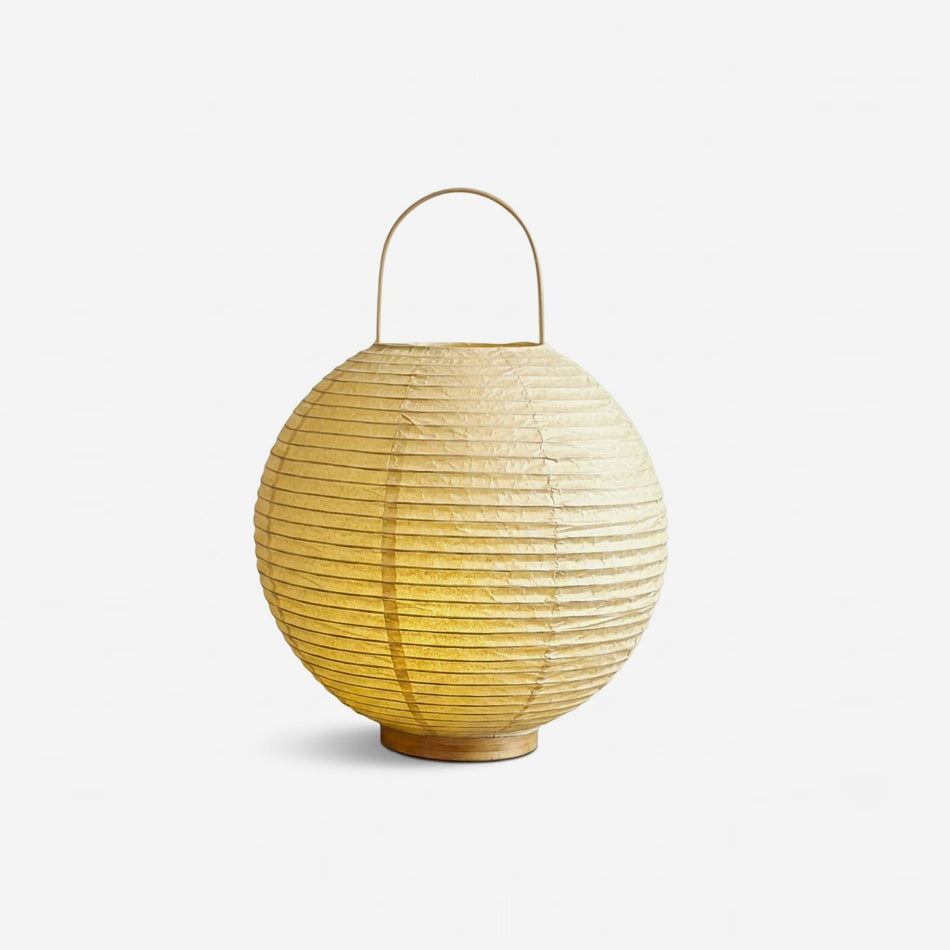
The Kumo Table Light adds this flexibility with its rechargeable and portable design.

Unlike traditional table lamps that stay connected to one outlet, Kumo can move wherever softer light is needed:
Some people worry that paper lamps may feel too plain. The key is not adding more decoration — it is creating the right relationship between the lamp and the room.

Paper shades naturally complement wood, linen, ceramic and stone — these materials allow the texture and softness of the lamp to become part of the overall atmosphere.
Paper lighting does not need many competing decorations. Too many patterns and textures can hide what makes the material special. A simple background often allows the shade shape and light quality to become more noticeable.
A small table lamp can act as a quiet accent. A pendant can define a dining area. A floor lamp can transform an empty corner. The best choice is not always the largest lamp, but the one that fits the visual balance of the room.
Different lighting materials create different feelings in a space. The right choice depends on what you want the fixture to add.

Paper lighting is not meant to replace every material. It is the better choice when you want the room to feel softer, warmer and more relaxed.
Choosing a paper lamp becomes easier when you focus on the feeling you want to create.
Rounded paper lamps with diffused light and gentle silhouettes — calm, natural and easy to live with.
Geometric paper lamps that add clearer lines and visual definition while keeping the warmth of paper.
Vertical paper lamps that bring height and a softer layer of light without crowding the room.
A rechargeable, portable design that moves soft light wherever it's needed throughout the day.
Japanese paper lighting works because it changes more than the appearance of a fixture. The right shape, scale and placement can make a bedroom feel calmer, a dining area feel warmer and an unused corner feel more complete.
Instead of choosing a paper lamp only because of its material, choose one that matches the atmosphere you want to create and the way you actually live.

Comments will be approved before showing up.