- Hogar
- Comercio
-
Rooms
-
Collections
-
Materials
- New Arrivals
- Sale
-


Cotton cord and thread soften the outline of a fixture while still leaving enough structure for stripes, geometric patterns and sculptural forms. Depending on how the material is wrapped, layered or paired with wood, the result can feel colorful, graphic, relaxed or quietly natural.
These six lights use that texture in very different ways, from compact table lamps to fixtures designed to bring the same tactile detail overhead.

On the Table

01
Let Color Do the Work
The Modena Table Light makes woven texture part of the entire silhouette. Cotton rope wraps both the shade and base, creating continuous vertical stripes instead of limiting the textile detail to a traditional lampshade — the result feels more like a decorative object than a standard table lamp.
Terracotta and mustard work easily with warm wood and earthy interiors, while the greener combinations introduce a stronger color accent. Modena is a good choice when the room is relatively simple and the lamp needs to contribute both texture and color — on a console, side table or larger nightstand, it can provide enough visual interest without needing several smaller decorative objects around it.


02
Color Balanced by Natural Wood
The Maravio Table Light takes a quieter approach. Its blue, white and teal cotton-thread shade introduces color through narrow vertical stripes, while the solid wood base keeps the design grounded and natural.
That combination makes Maravio easier to place in a room that already contains wood furniture — the color adds interest, but the lamp does not feel disconnected from a timber nightstand, desk or sideboard. It works especially well when you want something more distinctive than a neutral fabric shade but do not want color to dominate the entire lamp.

03
A Smaller Accent With Three Color Options
The Marovia Table Light is more compact, making it easier to use where surface space is limited. Its rounded wooden base gives the lamp a softer silhouette, while the woven shade is available in three colors.
Cream is the easiest option for rooms built around wood, beige and natural textiles. Yellow adds warmth without becoming too strong, while Pink gives a bedside table or reading corner a more playful accent. Because of its smaller scale, Marovia does not need to become the main feature of the room — it works well when you simply want one small area to feel warmer, softer and less plain.

Overhead
Woven cord creates a different effect once it moves above the room. Instead of decorating a small surface, the texture becomes part of the ceiling composition — shape and scale matter more, and each fixture uses the material differently.

04
Texture Without a Long Pendant Drop
The Noxaire Semi-Flush Mount shows that woven lighting does not have to look soft or traditionally bohemian. Black and cream cord wraps a faceted metal frame, creating a bold geometric pattern around the fixture — the central wrapped cube adds another structured detail rather than introducing extra decoration.
That makes it a strong option when you want visible ceiling texture and a graphic shape without the long drop of a pendant. The black-and-cream palette also makes it easier to pair with contemporary furniture than many natural-toned woven fixtures.

05
More Depth Through Layering
The Tandemere Pendant Light builds its character through layers. Instead of using a single drum shade, two cotton cord-wrapped forms are stacked together, giving the pendant more depth when viewed from across the room. A wooden ball detail adds a natural contrast to the woven surface.
Tandemere works particularly well when a simple woven drum pendant feels too plain, but a highly decorative chandelier would be too much. The layered shape gives it enough structure to stand on its own without losing the relaxed quality of the material.

06
A Softer Edge With More Room to Scale Up
The Wynora Pendant Light softens the classic drum silhouette with cotton fringe. The tassels introduce movement around the lower edge, making the fixture feel less rigid than a standard cylindrical shade, while the woven surface keeps the overall form clean enough to work above a dining table or in a relaxed living space.
The smaller sizes work well when the pendant is meant to support the room rather than dominate it. The 60 and 80 cm versions create a much stronger overhead presence and are easier to balance with a larger dining table or open area — a useful option when you want woven texture to feel softer and more decorative without adding a complicated multi-arm structure.

Find Your Fit
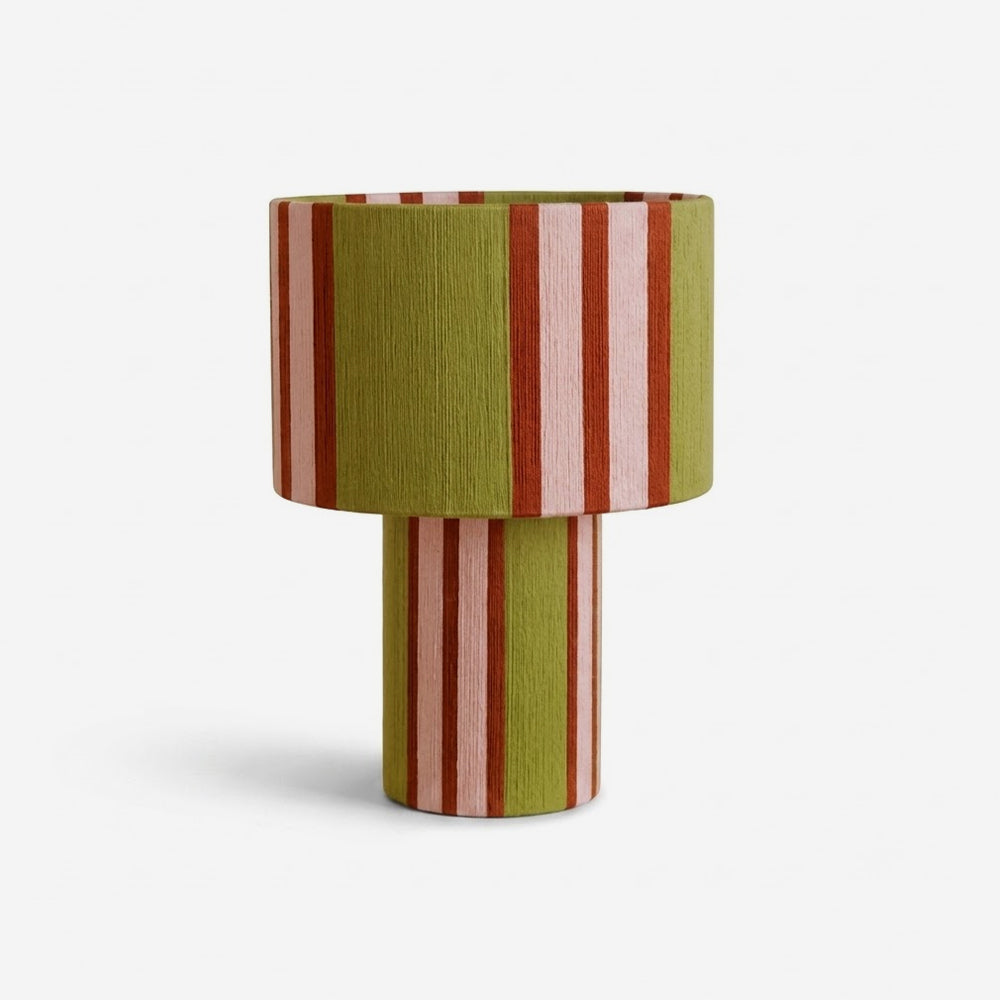
Want the lamp itself to introduce noticeable color and pattern.
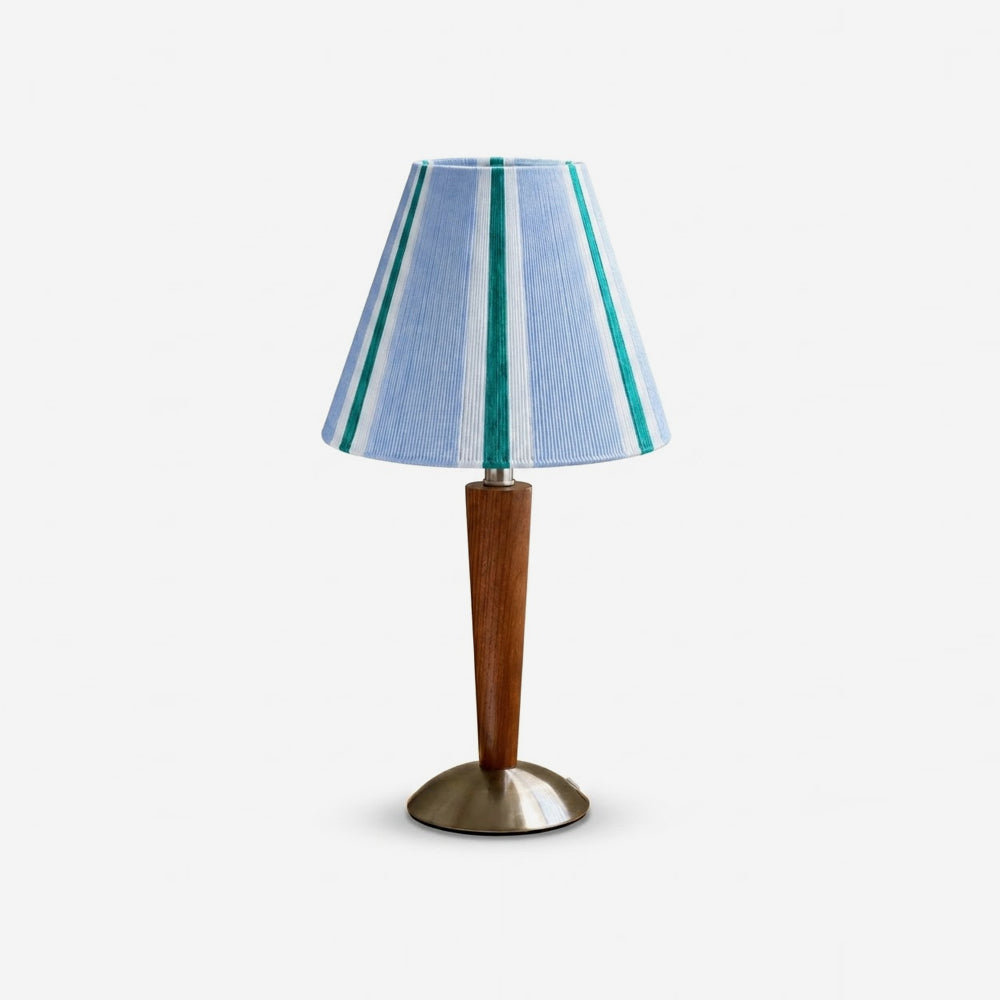
Like colorful stripes but want natural wood to keep the look balanced.
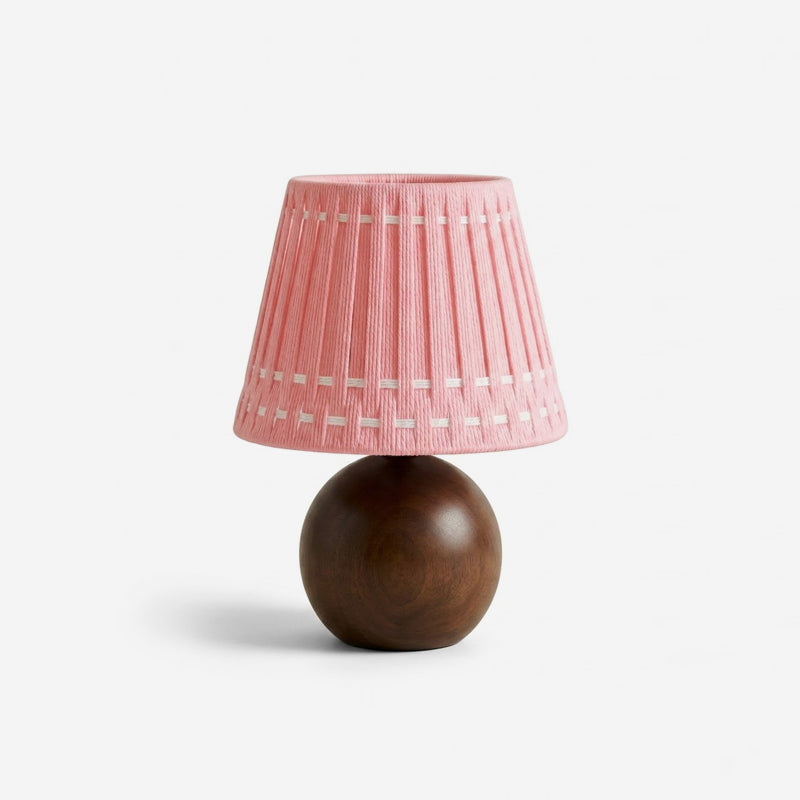
Need a smaller lamp, or prefer Cream, Yellow or Pink.
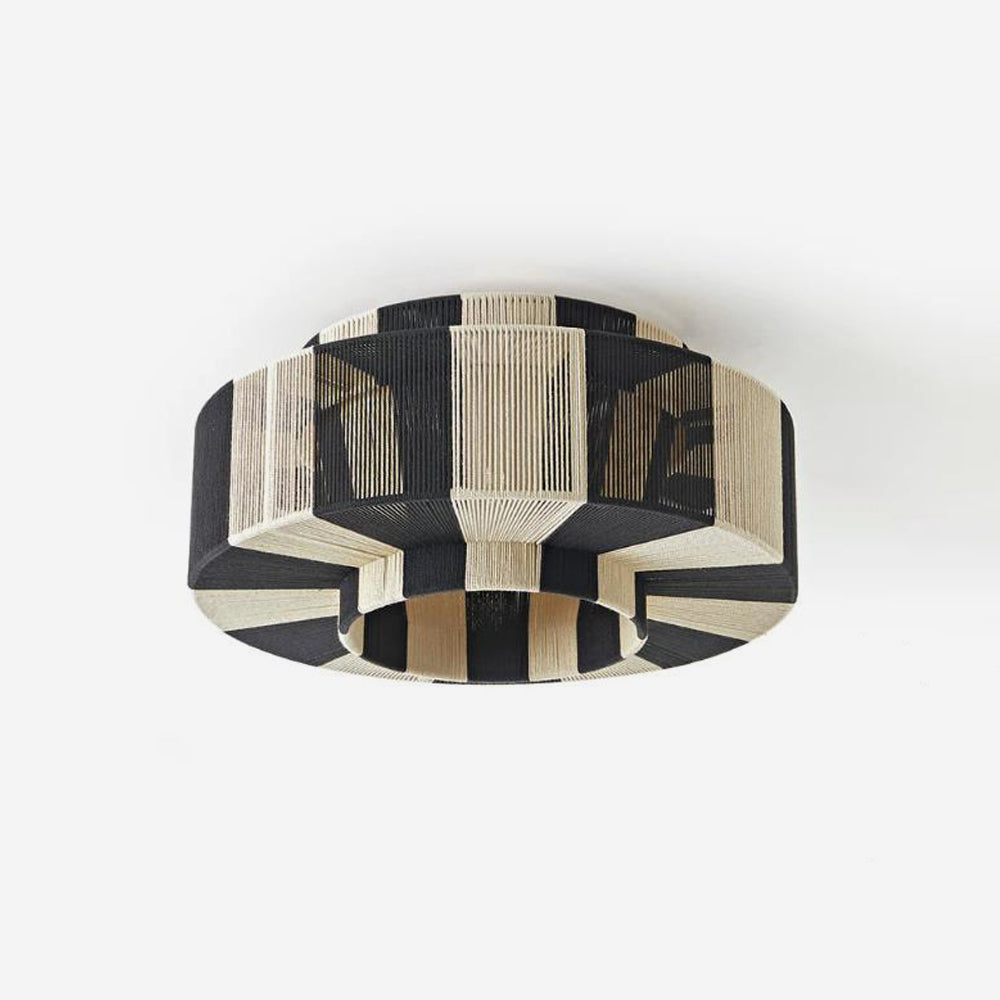
Want texture overhead with a geometric look and less vertical drop.
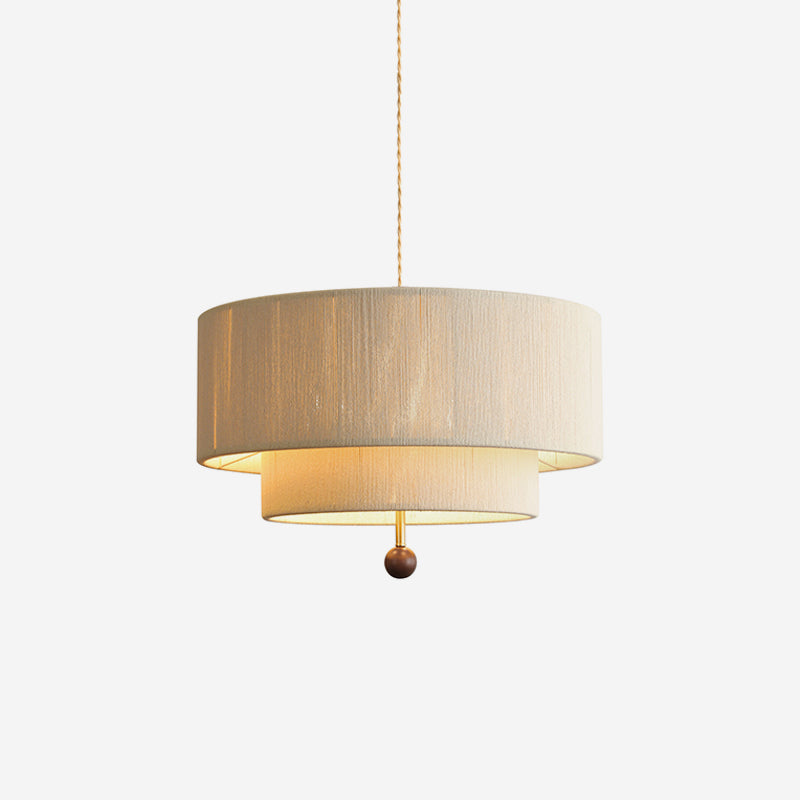
Want a pendant with more depth than a single woven shade.
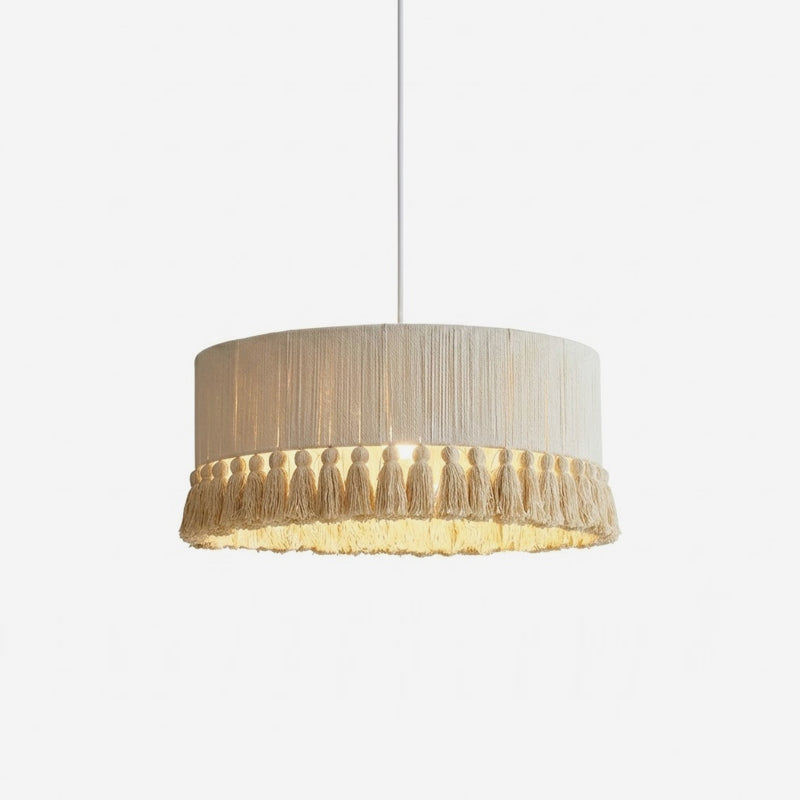
Prefer a softer fringe detail or a larger diameter option.
One Material, Very Different Results
Wrapped around a colorful table lamp, it becomes graphic and expressive. Paired with wood, it feels warmer and more natural. Used on a geometric ceiling frame, layered pendant or fringed shade, the same tactile quality takes on a completely different character.
Start with the effect your room needs rather than choosing woven lighting by material alone. If the space needs color, the table lamps make an easy starting point. If the furniture already provides enough visual interest, bringing texture overhead can add detail without taking up another surface.
Explore more lighting at Docos and find the shape, color and scale that fits naturally into your space.
↓ Explore DocosLos comentarios se aprobarán antes de mostrarse.


