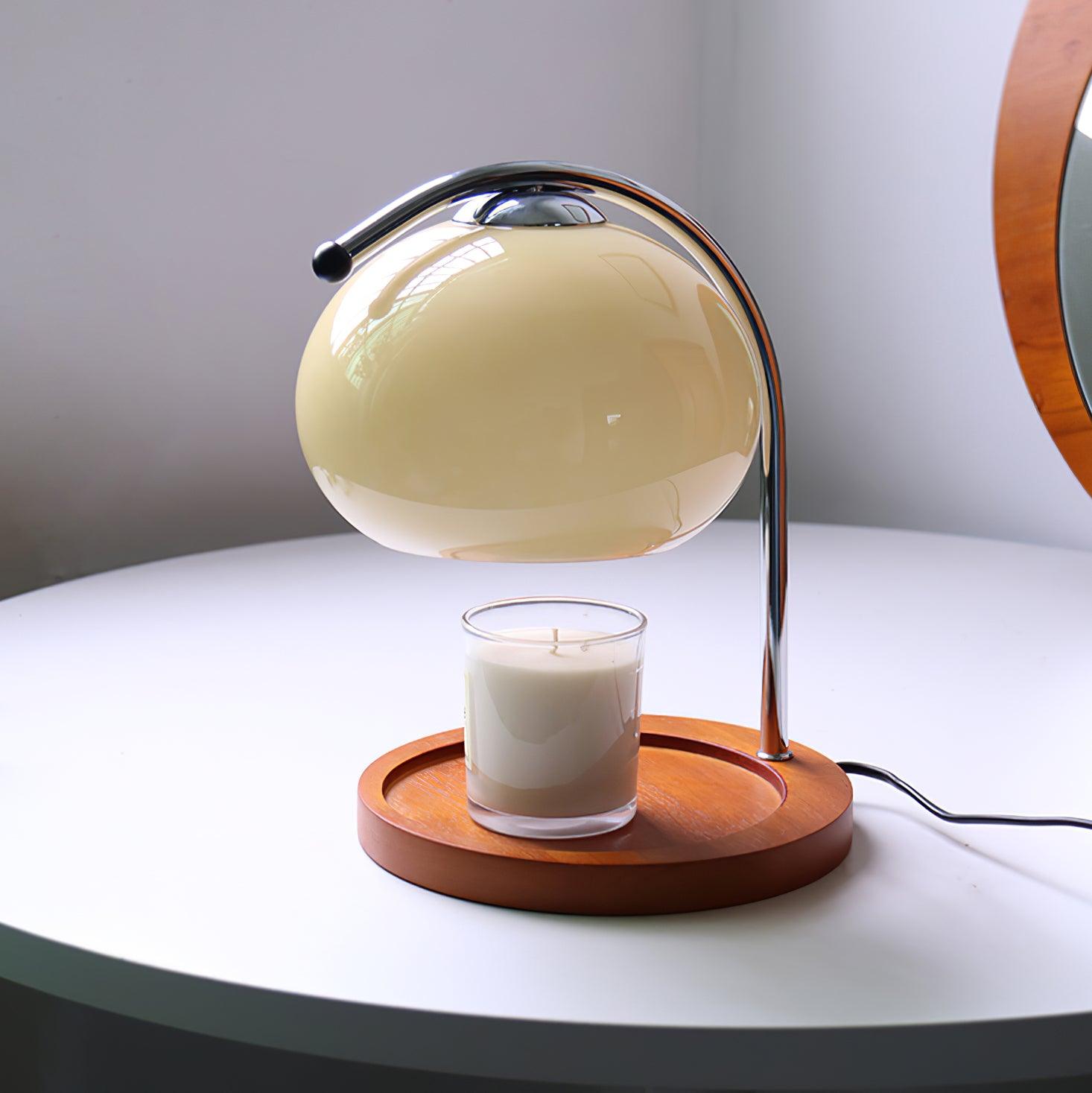
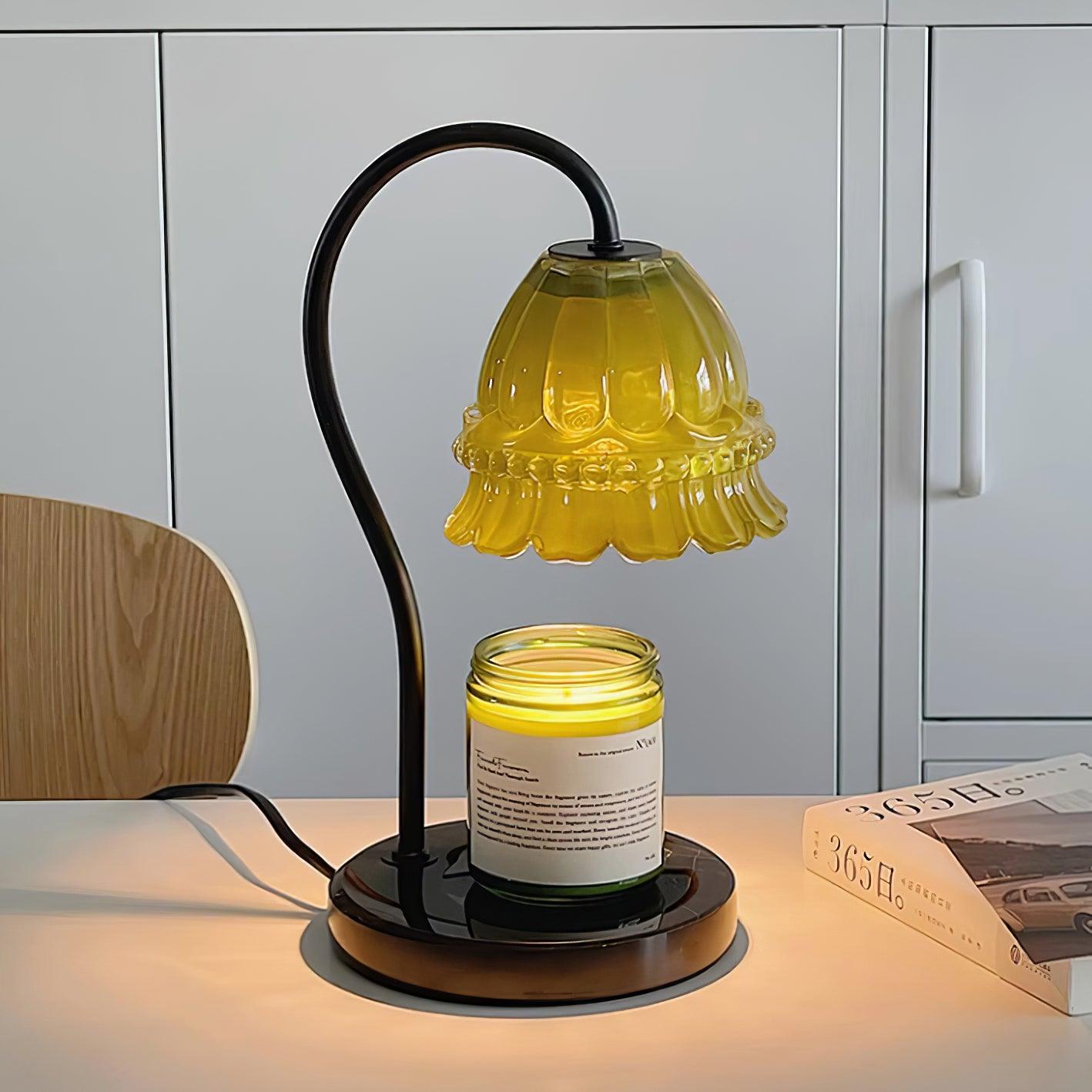
Because in a candle warmer, the bulb is doing more than making light.
It also has to produce enough usable heat to warm the wax from above. That heat melts the top layer of the candle and releases fragrance without lighting the wick.
For candle warmer lamps designed to use halogen bulbs, switching to LED can leave you with a lamp that looks perfectly normal—but barely warms the candle at all.
The difference comes down to heat, not brightness.
Candle Warmer Lamps Are About Heat, Not Brightness
With a normal lamp, the bulb's main job is simple: produce light.
That is why LED has become the obvious choice for most household lighting. It creates plenty of visible light while using relatively little energy and producing much less unwanted radiant heat than traditional incandescent or halogen bulbs.
A candle warmer, however, relies on its bulb to act as a primary heat source.
Because the bulb sits above the candle and must warm the wax from the top down, the performance of the lamp depends entirely on its thermal output, not just its brightness.

What matters is the relationship between:
- The bulb's heat output
- The direction of that heat
- The bulb wattage
- The distance from the bulb to the candle
- The shape of the warmer itself
A bright bulb is not automatically a good warming bulb.
Why Halogen Bulbs Work
Halogen bulbs are a type of incandescent bulb. Electricity heats a filament to a very high temperature, producing both visible light and a significant amount of radiant heat.

For ordinary lighting, that heat is usually considered wasted energy. In a candle warmer, it is part of the job.
Halogen Produces Useful Radiant Heat
A halogen bulb gives off heat that can travel toward the surface of the candle below it. That allows the top layer of wax to soften and melt without an open flame.
This is why a relatively small halogen bulb can work well in a candle warmer even when the lamp itself is compact. The goal is not to heat the room. It is to deliver enough heat to a small area directly below the bulb.
The Heat Is Directed Toward the Candle
The bulb does not work on its own.
The shade, bulb position and candle platform are arranged so the heat source sits at the right place above the wax.
That distance matters. If the bulb is too far away, the candle may warm slowly. If the lamp has an adjustable height, bringing the heat source closer can increase the warming effect—but only within the range the lamp is designed to use.
This is one reason replacing the original bulb with something that merely "fits" can change how the warmer performs.
Why LED Bulbs Usually Don't Work
LED bulbs are extremely good at producing light efficiently.

That is exactly the problem here.
LEDs do generate heat, but they are designed to manage that heat away from the light-producing components rather than act as a strong forward-radiating heat source.
So an LED bulb can look bright while delivering far less useful heat toward the candle.
That leads to one of the most confusing candle warmer problems: The lamp turns on, but the wax does not melt.
Nothing looks broken. The LED fits the socket. It glows. The switch works. But the warmer has lost the part of the bulb performance it actually needs.
What Happens If You Replace Halogen With LED?
Usually, nothing dramatic happens. The lamp simply stops warming the candle as effectively.

The Wax May Melt Too Slowly
Without enough heat reaching the surface, the top layer of wax may take much longer to soften. In some cases, it may never develop the melt pool the warmer was designed to create.
The Fragrance May Feel Weaker
Candle fragrance is released as warmed wax allows fragrance compounds to disperse into the air. If very little wax melts, the scent may seem noticeably weaker or take much longer to become noticeable.
The Lamp Can Look Completely Normal
This is what trips people up. An LED bulb can produce plenty of visible light, so there may be no obvious sign that anything is wrong. The lamp works as a light. It just does not work very well as a candle warmer.
Can You Use Any Halogen Bulb?
Not necessarily. Even if a replacement bulb uses halogen technology, that does not mean every halogen bulb is interchangeable with your specific warmer.
Check the lamp's specifications before buying a replacement.

Check the Bulb Base
Many candle warmer lamps use compact bulb bases such as GU10, but you should always confirm the socket used by your specific fixture. A bulb that looks similar is not necessarily the same base. Tip: Bring your burnt-out bulb to the store to guarantee a perfect physical match.
Match the Recommended Wattage
Do not increase wattage because you want the candle to melt faster. More wattage generally means more heat, and the lamp may not be designed to handle it. The shade, wiring and surrounding components were selected for a particular operating range. Use the wattage recommended for the warmer.
Check the Voltage
The replacement bulb should also match the voltage specified for the lamp. This matters especially when buying replacement bulbs separately rather than directly with the fixture.
Pay Attention to Bulb Shape and Size
Two bulbs can share the same base but have different shapes. That can change where the hottest part of the bulb sits in relation to the candle. For a warmer, that small difference can affect performance more than it would in a regular lamp.
Remember the Candle Distance
If the correct halogen bulb is installed but the candle is warming slowly, check its position before assuming the bulb is faulty. Some warmer lamps allow you to adjust the height of the lamp head or candle platform to accommodate different jar sizes. The candle still needs to sit within the intended warming range.

Why Candle Warmer Lamps Use Different Bulbs From Regular Lamps
This is easier to understand when you compare what each lamp is actually trying to do.
A regular household lamp is trying to create visible light efficiently. That makes LED ideal: high light output for the energy used, long service life, and less unwanted radiant heat.
A halogen-based candle warmer has a different goal. It needs visible light, enough heat to warm the wax, and a concentrated heat source above the candle.
In other words, the feature that makes halogen less efficient for everyday lighting is exactly what makes it useful here.
For a regular lamp, excess heat is something to reduce.
For a candle warmer, controlled heat is part of the function.
Common Mistakes With Candle Warmer Bulbs
Using LED Because the Socket Fits
A matching socket only tells you the bulb can physically be installed. It does not tell you whether the bulb will produce the heat the warmer needs.
Choosing a Bulb by Brightness
A brighter-looking bulb is not necessarily a hotter bulb. Lumens tell you about visible light output. They do not tell you how effectively the bulb will warm the candle below it.
Increasing the Wattage
A higher-wattage halogen bulb may produce more heat, but that does not make it a better replacement. Use the wattage specified for the lamp rather than trying to speed up the melting process.
Ignoring the Original Bulb Specification
When replacing a bulb, match the original specification as closely as possible: type, base, wattage and voltage. That is much more reliable than choosing by appearance alone.
Quick Q&A About Candle Warmer Bulbs
Can I use an LED bulb in a candle warmer lamp?
Not if the warmer is designed to use a halogen bulb as its heat source. The LED may light normally but produce too little useful radiant heat toward the candle for effective warming.
What type of bulb does a candle warmer lamp use?
It depends on the model. Many candle warmer lamps use halogen bulbs, often with compact bases such as GU10. Always check the product specifications before ordering a replacement.
Can I use a higher-wattage halogen bulb to melt the candle faster?
No. Use the wattage recommended for the warmer. A higher-wattage bulb can generate more heat than the fixture was designed to handle.
Why is my candle warmer lamp on but the wax is not melting?
Start with the bulb. Make sure it is the correct halogen type and wattage rather than an LED replacement. Then check the distance between the bulb and the candle and confirm that the candle is positioned as intended.
Before You Replace the Bulb
When a candle warmer bulb burns out, do not choose the replacement based only on whether it fits the socket or looks bright enough.
Check four things first: Bulb type. Base. Wattage. Voltage.
For candle warmer lamps designed around halogen heat, those details are what allow the fixture to do more than simply light up—they allow it to warm the candle the way it was designed to.
Ready to upgrade your space? Shop Docos Candle Warmer Lamps for flame-free fragrance warming with thoughtfully designed lighting and heat placement.
Save 10% on your order with code at checkout:
Find Your Perfect Style