يناير 27, 2026
Renting shouldn’t mean living with harsh overhead light, dark corners, or a space that never feels “finished.” The good news: you can make a rental feel warmer, brighter, and more intentional—without hardwiring—by using plug-in pendant lights and plug-in wall lamps.
In this guide, you’ll learn how to choose the right type, where to place it, how to keep cords looking clean, and how to build a simple lighting plan room by room.
Start browsing by type:
Plug-in fixtures are renter-friendly because they’re designed to work with what you already have: outlets. That means:

If your rental has only one ceiling light in the middle of the room, plug-in fixtures help you add light exactly where you need it—by the sofa, near the bed, in a reading corner, or over a dining nook.
You don’t need to overthink it. Use this simple rule:
Choose a plug-in pendant when you want a focal point
Plug-in pendants are great when you want a room to feel styled and finished—especially in:
Tip: Plug-in pendants feel most “built-in” when the cord route looks planned (more on that below).
Plug-in wall lamps are ideal when you want better task light (reading, working, getting ready) but don’t want to sacrifice surface space. They work especially well:
Before buying any plug-in fixture, run through these quick checks. This keeps your setup easy, clean, and comfortable.
1) Cord length + outlet reality check
If the outlet is far, prioritize fixtures with longer cords or plan a cord route that can be tucked discreetly.
2) Switch placement (you’ll care more than you think)
3) Bulb type + brightness
Check the bulb base and brightness guidance on the product page. For most rentals, a warm, comfortable glow works best in living spaces.
4) Glare control
If a bulb is exposed or the shade is very clear, light can feel harsher at eye level—especially from a sofa or bed. If you want softer ambiance, consider shades that diffuse light.
5) Weight + mounting approach
For rentals, keep things simple: lighter fixtures and straightforward mounting tends to be easier to place, adjust, and remove later.

The renter goal is always the same: secure placement + clean cord route + easy removal.
Use the most “landlord-friendly” setup you can
A quick safety reminder
(If you’re unsure, check your lease and follow the fixture’s installation instructions.)

This is where rentals go from “quick fix” to “designer energy.”
The cleanest cord routes (in order)

Make one smart layout decision
Place your plug-in fixture so the cord can travel:
When the cord path looks planned, the whole setup reads more “built-in.”

Bedroom: calmer mood + better reading light
Living room: layered light beats one overhead fixture
Dining nook: create a “destination” with one pendant moment
Even a small table can look intentional with a pendant-style light above it.
Entryway: the easiest place to add “welcome” energy
A warm plug-in light in an entry instantly changes the first impression.
Hallway: brighten dead zones safely
Hallways often have shadowy patches.
Study corner: reduce glare, increase focus
1) Is plug-in lighting allowed in most rentals?
Usually yes, since it doesn’t involve electrical work. Still, it’s smart to review your lease and avoid any permanent modifications without approval.
2) How do I hide cords in a rental without making it look temporary?
Route cords along corners and baseboards, keep slack neatly secured, and place the plug behind furniture whenever possible. A planned cord path is what makes plug-in lighting look “built-in.”
3) Can plug-in lights be dimmable?
Some are, depending on the fixture and bulb. Check the product page notes, and use compatible bulbs and dimming solutions if supported.
4) How high should I hang a plug-in pendant over a dining table?
Hang it high enough to keep sight lines clear across the table, but low enough to create a comfortable pool of light. Ceiling height, table size, and shade shape all affect the best placement.
If you want the biggest impact with the least commitment, plug-in lighting is a smart place to start. Choose:
then make the cord route look intentional. That’s the renter upgrade that actually feels like a real design change.
Browse by type:
يناير 26, 2026
Boho spaces are supposed to feel relaxed—not busy. But it’s easy to cross the line: too many woven accents, too much visual weight, and suddenly the room feels darker and more crowded than cozy.
The fix isn’t “less personality.” It’s lighter structure: shades that feel breathable, silhouettes that soften the room, and fixtures that create warmth without adding chaos. Below is a simple, room-by-room approach to “Airy Boho”—using six standout lights from Docos that work together as a calm, cohesive set.
Think of Airy Boho as boho’s more refined cousin:
If you want your home to feel warm, collected, and effortless, this is the lane.

1) Choose shades that “breathe”
Look for open structure or soft translucency—anything that lets light move through instead of blocking it.
2) Let one silhouette lead each zone
A kitchen island. A dining table. A hallway. Each area gets one main hero, not three competing statement pieces.
3) Mix soft curves with clean geometry
Curves keep things relaxed. A clean cone or minimal profile adds order. That balance is what makes boho feel elevated.
4) Keep the palette calm
Even if your space has color, your lighting reads best when it stays warm and neutral—so the texture becomes the detail.

Best for: kitchen islands, dining tables, open-plan kitchens
Why it works: This is your “soft texture hero”—a woven look that brings warmth without feeling heavy. It’s the easiest way to get that relaxed boho vibe while still looking clean and intentional.
Style tip: Pair it with simple stools, light wood, and minimal countertop decor. Let the shade do the work.
Best for: bedrooms, hallways, low ceilings, cozy living rooms
Why it works: Same easygoing mood, but in a ceiling form that keeps sightlines open. Perfect for spaces where a pendant would feel too low or visually busy.
Style tip: Use this where you want the room to feel calm and finished—without introducing a big hanging shape.
Best for: breakfast nooks, small dining tables, reading corners
Why it works: Scalloped edges instantly soften a room. It’s decorative—but the shape reads like a gentle “outline” instead of a loud statement.
Style tip: If your room already has texture (rugs, linen curtains, woven chairs), this is the pendant that adds charm without adding noise.
Best for: kitchens that need brightness, airy dining areas, minimal-boho spaces
Why it works: This is your “lightness amplifier.” It visually lifts the room by feeling clearer, brighter, and less dense than heavy woven shades.
Style tip: Use Glacier when you want boho warmth without the extra visual texture—especially in smaller rooms that can’t handle too much detail.
Best for: islands (in multiples), bars, modern kitchens that need warmth
Why it works: The cone silhouette adds structure—clean, crisp, and tidy—so your space doesn’t drift into “overly rustic.” It’s the perfect counterbalance to softer boho shapes.

Style tip: If your home leans contemporary, this is how you introduce boho tastefully: keep the shape clean, bring warmth through lighting and a few natural accents.
Best for: living rooms, entryways, hallways, layered lighting plans
Why it works: Every airy boho home needs a “base layer” fixture—something calm and dependable that keeps the whole house feeling cohesive. Rivela plays that role: clean, easy, and versatile.
Style tip: Put Rivela in transitional spaces (entry/ hallway) so your pendants can be more expressive without making the home feel scattered.
Kitchen Island: Texture + Structure (so it feels styled, not busy)
Pick one direction:
Placement notes (quick guide):
Two great options depending on the mood you want:
Styling rule: If your dining area already has statement chairs or a bold rug, choose Glacier. If the room is plain and needs a gentle focal point, choose Scallop.
This is where clutter shows up fastest. Go ceiling-mounted and quiet:
Extra tip: Bedrooms feel instantly more elevated with a dimmer + warm bulbs. Soft light > more decor.
These spaces connect everything—so your lighting here should feel consistent and calm:
When the hallway is clean and cohesive, your pendants in the kitchen/dining feel intentional, not random.
Use warm white bulbs.
Aim for a warm glow (commonly around 2700K–3000K). It flatters textures and makes woven details feel inviting.
Don’t hang pendants too low.
Low pendants can feel “heavy” quickly—especially over smaller tables or in lower ceilings.
Let negative space exist.
Airy boho isn’t about filling every corner. It’s about choosing a few pieces that do more.

Ready to bring the Airy Boho look home? Explore the full collection and find the piece that fits your space. Shop now: https://docos.us/
يناير 21, 2026
There are lamps that simply light a room—and then there are lamps that compose it.
The Fun Guy edit is built around a clever contrast: a crisp geometric outline paired with mosaic-like glass tiles that feel almost pixelated up close. In daylight, you notice proportion and texture. At night, the same surface becomes a soft, layered glow—transparent pieces catching highlights, frosted pieces diffusing the beam.
If we had to describe the inspiration in one sentence: it’s light treated like a surface, not just illumination.

1) Geometry That Feels “Architectural”
The wall lamps especially have that “small building” presence—clean lines, easy proportions, and a silhouette that reads at a distance. Fun Guy 731 even comes in two shapes (Model A / Model B), so you can choose between a taller vertical rhythm or a more compact square moment.

2)Mosaic Glass = Texture First, Light Second
Up close, the shade isn’t “one material”—it’s a mosaic of tiny decisions. Each tile catches light differently, so the surface reads textured even before you switch it on.

That’s why the two wall forms feel distinct: Fun Guy 731 leans more graphic and grid-like, while Fun Guy 732 softens the same idea into a cone. And when the glass mixes clear and frosted pieces, the glow becomes gentler—bright where it should sparkle, diffused where it should rest.

3) Chrome Finish That “Frames” the Handmade Look
The structure is intentionally clean—an outline that keeps the glass from feeling overly decorative. The result is a piece that can sit comfortably in modern interiors, while still feeling tactile and crafted.

By day: you’re seeing mosaic texture + geometry. The lamp looks like a small object of design—structured, graphic, and intentional.
By night: you’re seeing contrast. Transparent pieces brighten, frosted pieces soften, and the surface starts to cast a calmer, more layered light.
And because Fun Guy 731 / 732 are damp rated, they’re especially convincing in spaces where you want soft, flattering light—bathroom, vanity zones, covered outdoor areas, or a hallway that shouldn’t feel too bright.
Depending on the model, you’ll find color options like Blue, Orange, and Clear, paired with a chrome-tone frame.
Fun Guy 731 Wall Lamp — The “Rhythm Maker”
Pick Model A when you want a vertical beat (hallway pacing, symmetrical bedside). Pick Model B when you want a compact graphic block (tight corners, art walls). Both are hardwired and damp rated.
Fun Guy 732 Wall Lamp — The Soft Cone Glow
A smaller, conical mosaic form that reads elegant and playful at once. It’s hardwired, uses a G9 bulb base, and is damp rated—perfect for bathrooms and covered outdoor areas where you want gentler light.
Fun Guy 726 Table Lamp — The “Light Sculpture” You Can Move
This one feels like a design object even when it’s off: a conical mosaic shade sitting on a chrome tone base, plug-in, with a push-button switch and a long cord for flexible placement.
Fun Guy Pendant Lamp — The Cleanest Way to Show the Mosaic
Two proportions (Model A / Model B) with the same diameter: one compact, one taller. It’s hardwired, uses E14, supports dimmer switches, includes an adjustable 59-inch cord, and is compatible with sloped ceilings under 30°.
Fun Guy 731 Wall Lamp
Hardwired · G9 · Damp rated (bathrooms / covered outdoor)
Fun Guy 732 Wall Lamp
Hardwired · G9 · Damp rated (bathrooms / covered outdoor)
Fun Guy 726 Table Lamp
Plug-in · E14 · Push-button switch · Indoor use · 59-inch cord
Fun Guy Pendant Lamp
Hardwired · E14 · Adjustable 59-inch cord · Sloped ceiling adaptable (<30°)

The Fun Guy edit isn’t trying to be loud. It’s doing something smarter: turning light into texture, and texture into mood.
If you love interiors where details matter—but the room still feels calm—this is the kind of lamp you’ll appreciate every single day: a clean silhouette in daylight, and a softened, patterned glow at night.
يناير 20, 2026
You’ve probably seen “Resin” listed on a lampshade and thought, Wait—so is this basically plastic?
Totally fair question. And most product pages don’t explain it well.
This guide keeps it simple and useful. You’ll learn:
A lot of confusion comes from one idea: “Resin = cheap plastic.”
In reality, resin is better understood as a material system used to form a solid piece—often starting as a liquid (or semi-liquid) that hardens through a curing process.

Here’s a helpful way to think about it:
So the better question isn’t “Is resin plastic?”
The better question is: How clean is the material, how controlled is the process, and how refined is the finish?
Because what you’ll actually notice in real life is:

Those aren’t decided by the word “resin.” They’re decided by recipe, de-bubbling, thickness control, and finishing.
This is the part most people never get to see—and it’s the key to understanding quality.
A resin shade usually goes through a chain of steps like:
mold → mixing → de-bubbling → pouring → curing → demolding → trimming → sanding/polishing → surface finishing → inspection

Each step affects how the final piece looks, feels, and glows. ✨
(1)It Starts With the Mold
Resin doesn’t magically become a lampshade. The shape comes from a mold, often made from a master prototype.
This is where clean lines and crisp edges begin. If the mold is rough or the seam line is poorly placed, it’s much harder to get a refined final look later.

(2)Mixing: It’s Not Just “Stir and Pour”
A resin system typically combines a base with a curing component. In our process, we fine-tune the formula with carefully selected pigments or fillers to shape how the light behaves—things like:
This is where the fixture’s “glow personality” really starts to take shape.

(3)De-Bubbling: The Quality Divider
Tiny bubbles can form during mixing or pouring—especially around corners or thicker areas.
Better process control often includes methods like resting time, vacuum de-bubbling, or pressure curing to reduce visible bubbles.
Why does this matter so much?
Because bubbles often look minor when the lamp is off… and obvious when it’s on. 💡

📸 Image suggestion: Same spot photographed “lamp off vs lamp on” is the best proof.
(4)Pouring & Thickness Control: Where the Glow Gets Shaped
Pouring isn’t just filling a mold—it’s also controlling:
Even small thickness differences can create uneven brightness or hotspots when lit. That’s why well-made resin shades often look smoother and more balanced when glowing.

(5)Curing & Demolding: Turning Liquid Into a Stable Form
Curing is the “hardening” stage. Timing, temperature, and curing conditions affect stability and surface feel.
Demolding too early can cause distortion; too late can slow production—but in both cases, the final quality is impacted.

(6)Trimming, Sanding & Surface Finish: Where “Premium” Is Built
This step is huge. After demolding, the piece typically gets:
If a resin shade looks refined, chances are the finishing work was careful. ✅

Resin is not hard to maintain—but it is easy to damage if you use the wrong tools.
Before You Clean

The Safest Everyday Cleaning Method ✅
You only need:

Simple routine:
gentle wipe → clean-water wipe → dry cloth finish
This helps prevent streaks and water marks.
Common “Don’ts” (These Cause Most Complaints) 🚫

If You Already See Fine Scratches or Haze

When you’re evaluating a resin lampshade, do this:
“Resin” isn’t automatically premium or cheap—it’s simply a material system. What matters is what you can actually see and feel: the glow, the edges, the finish, the internal clarity—and how it’s cared for over time.
Ready to see how resin looks in real designs? ✨
Browse our resin lighting collection here: https://docos.us/search?q=resin&Search=
يناير 19, 2026
When it comes to lighting, the right fixture can transform the mood of a room and create a lasting impression. Travertine, with its rich textures and timeless appeal, offers a unique way to elevate your home with sophisticated lighting. Whether you’re looking to brighten a cozy nook or add a bold statement piece to a dining area, Travertine pendant lights bring a natural beauty that complements a wide range of interior designs.
In this post, we’ll introduce you to six exquisite Travertine pendant lights from our collection—each designed to infuse your space with elegance and warmth. Let’s dive in!
3. Cantera Travertine Pendant Lamp
Travertine pendant lights are a perfect blend of form and function. Here’s why they should be a part of your home:

Now that you’ve explored our collection of Travertine pendant lights, here are some styling tips to help you make the most of these beautiful pieces:
Travertine pendant lights are not just lighting fixtures—they are timeless works of art that bring warmth, elegance, and natural beauty to any space. Whether you’re looking to redesign a room or simply add a new focal point, these pendant lights will elevate your home and create an inviting atmosphere.
Each light in our collection is a unique combination of style, craftsmanship, and natural beauty, designed to enhance the aesthetic of your space for years to come.
Explore our full collection of Travertine pendant lights and discover the perfect piece to brighten your home today.
يناير 14, 2026
In 2026, we are finally done with boring homes. Lighting is no longer just about utility—it’s not just about seeing your way to the kitchen in the dark. Lighting has become the new frontier for self-expression, the easiest way to turn a room from "fine" to "unforgettable."
If you are looking for a piece that doesn't just light up a room but electrifies it, it’s time to rediscover Memphis Design.
Born from a rebellion in 1980s Milan led by Ettore Sottsass, the Memphis movement broke every rule in the book. They rejected the idea that design had to be serious and functional. Instead, they embraced emotion, radical colors, and impossible shapes. Today, Memphis style lighting is back, bridging the gap between functional appliances and high-art sculptures.
Here is how to master the mix and let your lighting become the art in your home.

Before we dive into styling, we need to understand why these pieces are so captivating. A Memphis lamp isn't designed to blend in; it's designed to stand out. It is "Dopamine Decor" at its finest.
A Memphis lamp is a functional sculpture. Even when turned off, it commands attention.

The biggest fear people have with bold lighting is, "Will it make my house look crazy?" The secret is balance. Because Memphis lights are so loud, the surrounding elements often need to be quieter.
Here is how to integrate these art pieces into different decor styles:
1. The Minimalist Meets the Maximalist (Modern & Clean Homes)
If your home is dominated by clean lines, white walls, and Scandinavian simplicity, a Memphis lamp is the perfect "plot twist."
2. Softening the Edge (Industrial & Loft Spaces)
Industrial design—think exposed brick, raw concrete, and dark metals—can sometimes feel cold or overly masculine. Memphis lighting is the perfect antidote.
3. Modern Nostalgia (Retro & Eclectic Homes)
If you already love vintage finds and layered textures, Memphis lighting will feel right at home.
Ready to take the plunge? Choosing the right Memphis light depends on the role you want it to play.
Ultimately, the resurgence of Memphis design is about reclaiming joy in our living spaces. It’s a reminder that our homes don’t have to look like everyone else's.
Don't be afraid to take a risk. Swap out that generic lamp for something that makes you smile every time you walk past it. Treat your lighting like art, and your entire home will feel like a curated gallery of your personality.
يناير 13, 2026
Design is more than just the simple combination of form and function; it guides emotions, defines spaces, and adds endless color to life. The Lorenzo Chandelier is a perfect example of a lighting fixture that combines modern aesthetics with craftsmanship. From its design inspiration to every step of its creation, this chandelier tells a story of elegance and innovation.
In this blog, we will take you through the creative journey of the Lorenzo Chandelier, exploring the design concept, material choices, and how it has become the centerpiece of any space.
The inspiration for the Lorenzo Chandelier comes from a beautiful moment in nature—ripples caused by a raindrop falling on a calm lake. The designer transformed this poetic natural phenomenon into the core concept of the chandelier. Imagine a single raindrop falling on the surface of the water, creating ripples that spread outward. These "ripples" were cleverly translated into each of the chandelier's glass discs, where every circle represents a wave. The overlapping design captures that fleeting beauty of nature and freezes it in the glass and metal.

When you turn the light on, the glow passes through the layered glass discs, creating a soft, flowing interplay of light and shadow, reminiscent of the shimmering ripples on a lake’s surface, adding a unique artistic atmosphere to any room.
The Lorenzo Chandelier features a carefully balanced combination of metal and glass. The metal frame provides a sturdy structural support, while the glass discs add elegance and lightness to the design.
The color of each glass disc was thoughtfully chosen in orange, green, and white to give the chandelier its visual depth and emotional expression:
The creation of the Lorenzo Chandelier was not a quick process but one that involved repeated refinement and adjustment. The designer began with initial sketches, exploring various shapes and material combinations, and finally settled on the pairing of glass discs and a metal frame. The design process involved multiple adjustments to the proportions and layout of each element to ensure that the chandelier would not only have a sculptural presence but also fit perfectly into various spaces.

Each glass disc is made using the hand-blown glass technique, which preserves the unique texture of the glass, ensuring that each piece of glass is one-of-a-kind. The assembly process is equally meticulous, with each disc carefully fitted to the metal frame to ensure perfect alignment and balance.

The Lorenzo Chandelier is not just a lighting fixture; it is a piece of art that enhances the style of any space. Its minimalist yet sculptural design allows it to shine in various interior styles.
The Lorenzo Chandelier is a lighting fixture that combines both artistic value and functionality. Through thoughtful material selection and clever design, it not only provides quality lighting but also adds visual impact to any space. As a Murano glass chandelier, it embodies classic craftsmanship and modern design, making it a focal point in any room.
If you are looking for a chandelier that is both beautiful and full of character, the Lorenzo Chandelier is the perfect choice.
Explore the Lorenzo Chandelier today and let this exquisite piece of art become the highlight of your home décor.
يناير 12, 2026
You don’t need a full remodel to make your home feel “designed.” The fastest upgrade is almost always the same: pick one neglected corner and give it a light source with texture, shape, and a soft glow. A great corner lamp doesn’t just add brightness—it adds depth, mood, and a sense that everything was placed on purpose.
In this post, I’ll share a simple 3-step “one-corner” method, then recommend five sculptural, stone-forward favorites
Step 1: Decide what the light needs to do
Ask one question: is this corner for mood or task?
Step 2: Let texture do the styling
If you want a corner to look elevated fast, choose a lamp where the material is doing visual work—natural veining, layered stone, or a diffused shade that makes the glow feel “expensive.”
Step 3: Keep the corner “edited”
A good corner isn’t full—it’s curated. Try the simple rule:
Lamp + one vertical element + one grounded object
(Example: lamp + framed art/mirror + tray/books)
Best for: hallways, bedside walls, entry walls beside a mirror, reading corners.
If you want a corner to feel more architectural without adding anything to a tabletop, a wall lamp is the cleanest upgrade. Viola brings that “built-in” look immediately—especially on a simple wall where the marble becomes the focal point. It also photographs beautifully in close-up: the veining and edge details do the heavy lifting, so you don’t need extra styling for it to feel premium.
Styling tip: Keep the surrounding wall calm and give it one companion piece—either a thin frame or a mirror—so the lamp looks intentionally placed.
Best for: small corridors, tight wall sections, beside a lounge chair, bedside when you want a cleaner look.
Penta is the kind of wall light that fixes a “blank wall problem” instantly. The shape is simple, graphic, and easy to read in real room photos, which makes it great for blog visuals. It’s also a safe choice if your space already has texture or pattern—rugs, pillows, busy art—because the lamp stays quiet and structured instead of competing.
Styling tip: Pair it with one anchor item (a chair, bench, or slim side table). That’s enough to make the area feel finished.
Best for: consoles, side tables, nightstands, shelves, office credenzas.
A table lamp is the quickest way to make a home feel warmer and more lived-in—plug it in, style the surface, and the corner immediately feels intentional. Glowra works especially well for that because it’s compact enough for everyday surfaces but still has a sculptural presence. It’s also easy to shoot in lifestyle scenes: it naturally pairs with books, ceramics, and framed art without needing elaborate staging.
Styling tip: Use the “one tall, one low” rule on the surface: a frame or vase for height, and a tray or bowl for grounding.
Best for: minimalist rooms that need depth, shelves that feel flat, a dresser top, calm work corners.
Strata is a great pick when you want texture to act like décor. Even when the lamp is off, it reads like an object, which makes it perfect for daytime room photos. In close-up, the layered form and stone texture add dimension that feels design-forward without being loud. It’s the kind of piece that can replace extra clutter—one lamp, less “stuff,” better result.
Styling tip: Give it breathing room. Negative space is what makes sculptural pieces look expensive.
Best for: relaxed living rooms, bedside calm, cozy corners, warm-neutral interiors.
Sediment has an easy, organic feel that blends into many homes without looking generic. It’s especially good if you want your lighting to feel soft and approachable—design-forward, but not “too gallery.”
Styling tip: Pair it with one natural element nearby—wood, linen, ceramic, or a touch of greenery—and keep the rest simple.
Do I need two wall lamps or just one?
If you want a balanced, intentional look (bedside walls or a long hallway), two works beautifully. For smaller walls or a single focal spot, one statement sconce is enough.
Will a sculptural lamp feel “too much” in a simple room?
Usually not. Sculptural pieces work best in simple rooms because they become the feature. Keep the rest of the corner edited, and let the lamp be the texture.
What’s the safest way to make it feel warm, not harsh?
Choose a warm bulb and avoid placing the lamp right at eye level when seated. A softer shade or diffused glass also helps keep the corner comfortable.
A home doesn’t feel designed because it has more things—it feels designed because the pieces are intentional. Start with one corner, choose one lamp with real texture and a sculptural silhouette, and keep the styling edited. That small shift can change how the entire room feels—day and night.
Ready to shop the look? Explore these picks and more at Docos: https://docos.us/
يناير 07, 2026
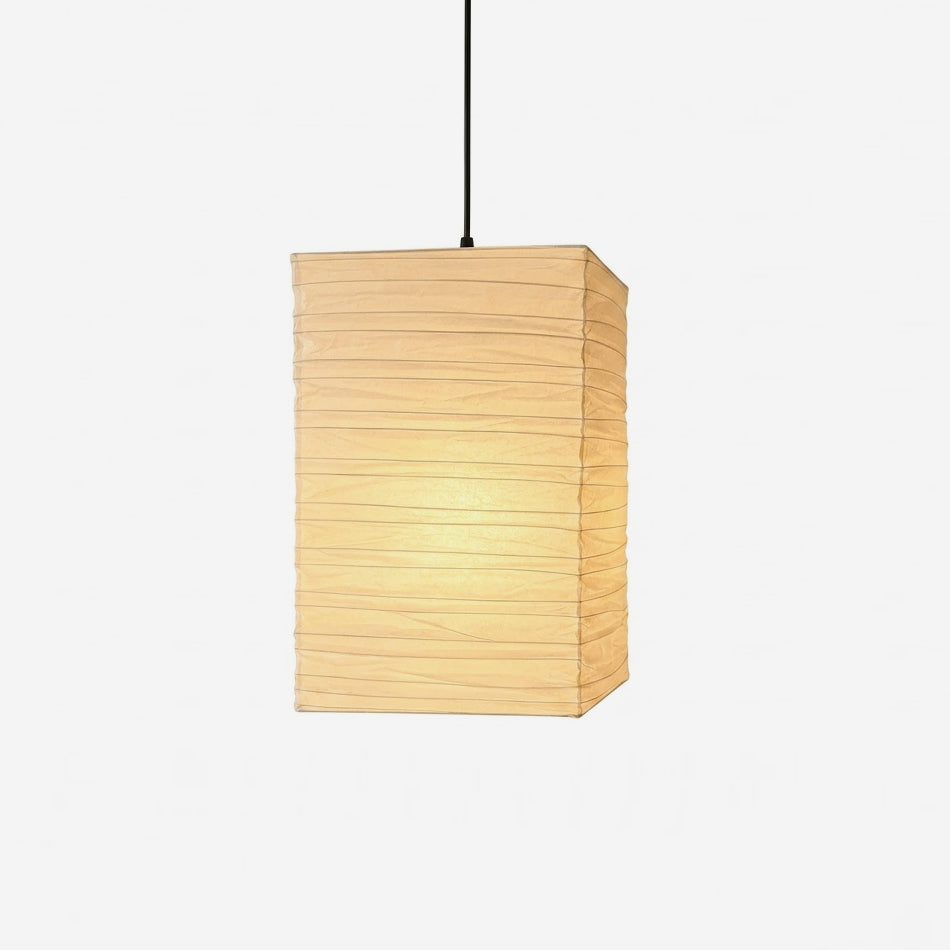
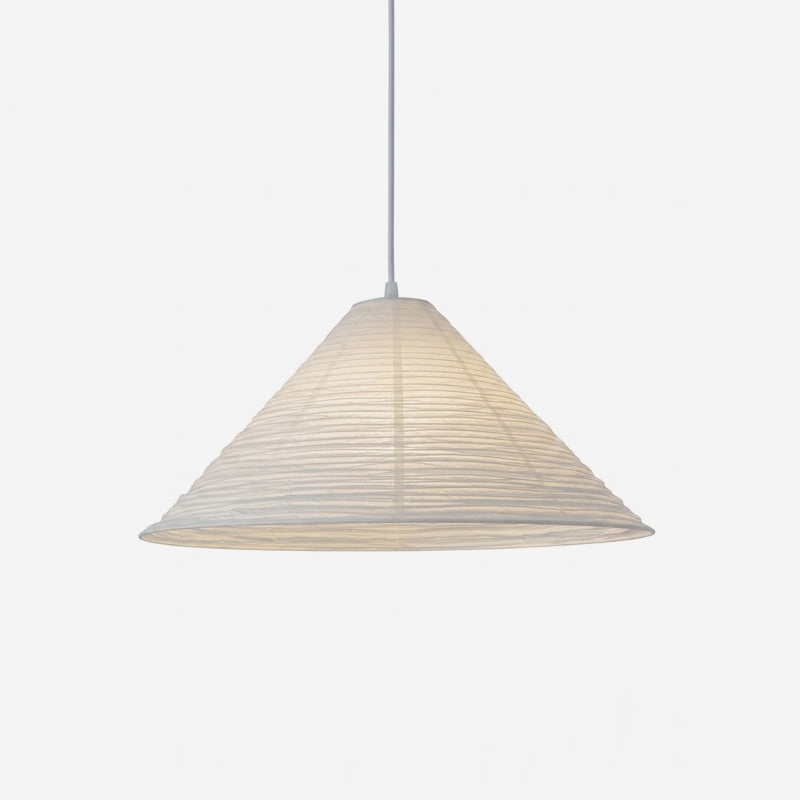
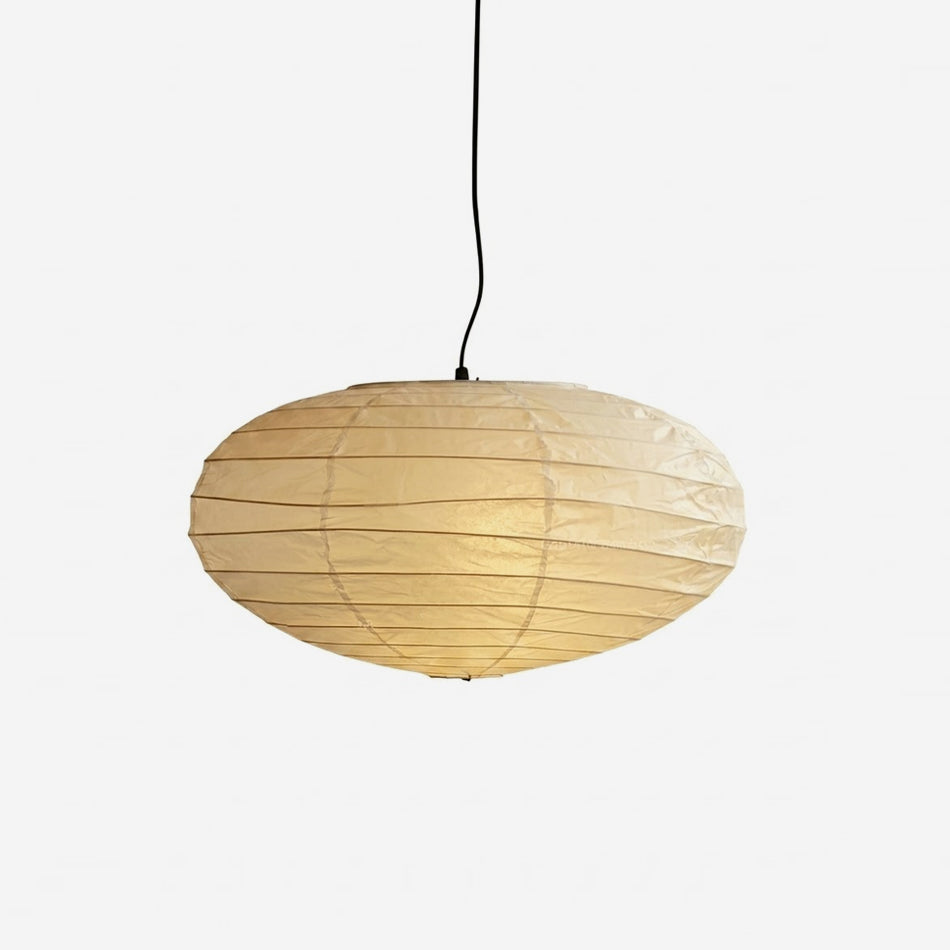
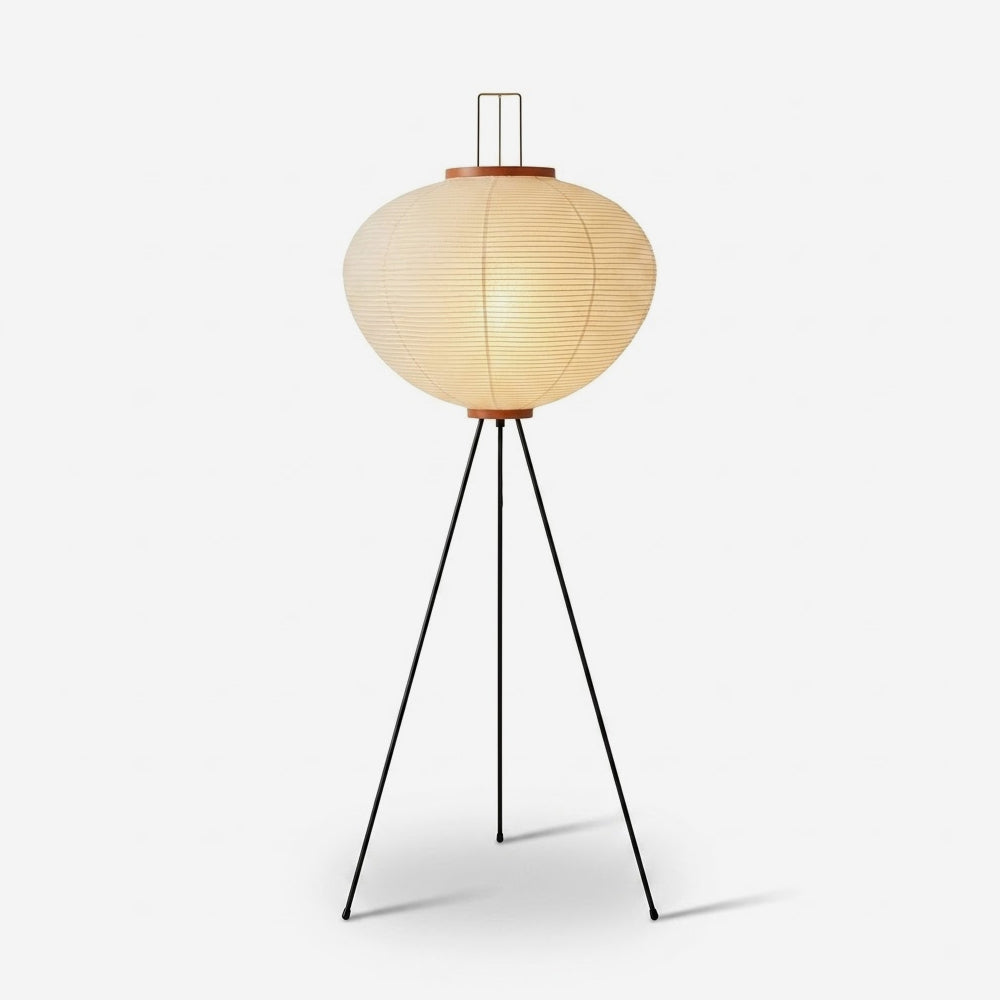
Some lights exist to make a room brighter. Paper lighting exists to make light gentler.
Turn on a well-made paper lamp and the space instantly softens—harsh hotspots fade, shadows blur at the edges, and the room feels quieter. That “soft glow” isn’t just a vibe. It’s what paper fibers and shade construction do best: they diffuse light instead of letting it blast forward.
In this guide, we’ll cover:
Paper shades work like nature’s diffuser: the fiber structure scatters light into a calmer, more even glow.
That usually shows up in three ways:

Think of paper lighting by light mood, not by style labels. It’s the fastest way to pick something that looks right at night.
A) Misty & Even Glow (the most foolproof)
Look: a clean, uniform glow—like warm fog.
Best for: bedrooms, living rooms, dining areas where you want calm ambient light.
B) Fiber-Forward Texture (best up close)
Look: you see the paper character—gentle crinkles, fibers, and a warmer “handmade” feeling.
Best for: entryways, hallways, reading corners, bedside zones—places you’ll see it from near distance.
C) Pleats & Shadow Rhythm (the “statement” paper look)
Look: folds and pleats create visible light-and-shadow cadence—more sculptural, more dramatic.
Best for: dining tables, living room corners, higher ceilings, spaces that want a focal point.
A good paper lamp isn’t “just paper.” It’s a balance of beautiful diffusion and stable form.
Step 1 — Paper selection: decide the glow first
Makers start by choosing paper based on the desired light mood:
This is why two “paper lamps” can look completely different at night.

Step 2 — Frame or mold: the silhouette is everything
The inner structure (frame/mold) determines:
A simple truth: the frame makes the form; the paper makes the glow.
Step 3 — Applying paper: tension + seams decide the quality
This is where premium vs. cheap becomes obvious.

A buyer-friendly line you can keep:
You’re not really buying “paper.” You’re buying the seams and edges.
Step 4 — Drying & setting: paper has to “learn” the shape
Even drying prevents:

Step 5 — Edge finishing: the luxury is in the trim
Clean edges and tidy openings make the whole lamp look intentional—especially in daylight.
Step 6 — Light-source placement: comfort over glare
Well-designed paper lighting avoids putting a harsh hotspot right in your sightline. The goal is always the same: you should see the glow, not the bulb.
Step 1: Pick the light mood

Step 2: Judge it by three “designer details”
Step 3: Put it in a “high-reward” spot
Paper lighting shines in:

If the spot is heavy oil/steam, constant splashing, or frequent bumping—choose something else.

Paper lighting isn’t about chasing a trend—it’s about choosing a kinder kind of light. When the silhouette is clean, the seams are refined, and the glow is even, a paper lamp becomes the quiet centerpiece of a room: present, warm, and never loud.
Explore more on Docos: https://docos.us/
يناير 06, 2026
When you’re shopping for lighting, you’ll usually see one of two labels:
Neither option is “better.” The right pick depends on what you value more: set-it-and-forget-it convenience or the flexibility to swap bulbs anytime.
✅ Integrated LED
The LED light source is built into the fixture, so you’re buying a complete lighting system in one piece. It’s designed to deliver a consistent look and feel—often with smooth, even light—without needing you to shop for bulbs.
✅ Bulb Required
The fixture is the “body,” and the bulb is your “light engine.” That means your brightness, warmth (color temperature), and even smart features depend on the bulb you choose. If a bulb burns out, you simply replace it.

| What you care about | Integrated LED | Bulb Required |
|---|---|---|
| Easiest day-to-day | ✅ Plug in / install and go | ⚪ You’ll pick bulbs |
| Consistent light quality | ✅ Very consistent | ⚪ Depends on bulb choice |
| Easy to replace the light source | ⚪ Not typically user-replaceable | ✅ Swap bulbs anytime |
| Flexibility (color temp / smart bulbs) | ⚪ Limited to what’s built in | ✅ Very flexible |
| Long-life design | ✅ Often built for long service life | ✅ Depends on bulb you buy |
1) Light feel: “even glow” vs “bulb-dependent”
Integrated LED fixtures are often chosen for that clean, even glow—great for spaces where you want lighting to feel smooth and comfortable.
Bulb-required fixtures can look just as great, but the result depends heavily on picking the right bulb.

2) Maintenance: who handles what?
With bulb-required lights, maintenance is simple: replace the bulb.
With integrated LED, the light source is built in—so if there’s ever an issue, it’s typically handled through the fixture’s service/support path rather than a quick bulb swap.
3) Changing the vibe later
Want warmer light next winter? Want brighter light for a new workspace setup?
Bulb-required fixtures make that easy because you can change bulbs whenever you like. Integrated LED fixtures usually keep the lighting character more “fixed” (unless the product supports adjustable color temperature).

4) Decision effort upfront
If you don’t want to think about bulb bases, watt limits, or compatibility, integrated LED is usually the simpler route.
If you enjoy control and customizing the light, bulb-required is your playground.


Pro tip: if you’re buying bulb-required fixtures for multiple rooms, decide on your preferred bulb “standard” first (warmth + brightness) so everything feels consistent across the home.
Will integrated LED last long?
Most integrated LED fixtures are designed for long-term use. The exact lifespan depends on the product and usage, but the intention is typically “years of everyday living.”
Is bulb-required always the safer choice?
It’s safer for easy DIY replacement, yes. But integrated LED often wins for “consistent light and less shopping around.” Choose based on what matters most to you.
How do I know whether bulbs are included?
Always check the product specifications on the listing. That’s where the bulb requirement (and base type) is clearly stated.

Want to explore more lighting styles and options? Browse the full collection here:
https://docos.us/
يناير 05, 2026
If any of this sounds familiar, you are not alone: your ceiling light feels harsh the second you turn it on, the room looks a little “cold” at night, and photos never quite capture that warm, lived-in vibe. A lot of the time, it is not your decor. It is the quality of the light. Fabric lighting is great at making light feel smoother: it diffuses glare, softens transitions, and photographs beautifully. It is not the only answer for every home, but if you want an easy, everyday “base layer” of comfortable light, fabric is one of the most reliable places to start.
What you’ll get from this post:
1) Softer diffusion that calms harsh light
A fabric shade helps light spread more evenly and reduces direct glare. It’s especially comfortable in rooms where you spend a lot of time, like living rooms and bedrooms.

2) A steadier mood that looks good at the same brightness
Fabric lighting tends to avoid strong reflections and hard shadows, so spaces feel more relaxed. It also makes it easier to capture a warm, natural look in photos.
3) Easier styling because it doesn’t fight your decor
Fabric reads as a gentle “background” texture, so it pairs naturally with wood tones, rugs, linen, and other soft furnishings—and it layers well with other finishes in the room.
(1)Start with the job: what do you need this light to do?
Ambient base light is about comfort, not maximum brightness. Task lighting is about putting light exactly where you need it. Main lighting should feel even and usable, and it usually looks best with a second layer for depth.

(2) Check the light behavior: soft ambient glow vs focused task light
Soft ambient glow works best in living rooms, bedrooms, hallways, and entryways where you want even, comfortable light. Focused light is better for reading, working, or dining where you want light to land on a specific surface. The simple test is this: are you lighting the whole mood, or a specific task spot?
(3)Match the scale to the room so it feels balanced
A quick sizing mindset helps:

(4)Color temperature: 2700K to 3000K usually looks the softest
For a cozy home feel, 2700K to 3000K is the sweet spot. If you have a dedicated reading corner, let a table lamp handle task light instead of pushing the ceiling light too cool.

(5) Layering is the shortcut to a more expensive-looking room
One ceiling light alone often looks flat. Use a ceiling light as the base, then add a table lamp or wall light for a second layer. The room immediately feels more “designed” and more livable.

(6)Place it based on comfort, not just aesthetics
Over a dining table, aim for light that lands on the tabletop without shining into your eyes. At the bedside, you want light that lands on your hands or book, not your face. In entryways and hallways, gentle spill on walls and floors makes the space feel welcoming.
(7)Be honest about maintenance
Fabric will collect dust over time, so choose a setup you can keep up with. A weekly light dusting or low-suction vacuum pass is usually enough, and a deeper clean once per season keeps it looking fresh.

Setup A: Dining table and kitchen island
Ceriva Pendant Lamp
If you want your dining area to feel intentional and inviting, Ceriva is a strong “hero piece” choice. Hang it centered over the table or island and you get a softer look with light that naturally gathers on the surface, so dinner feels warm without being harsh. Pair it with a wood table, creamy white or soft gray walls, and a touch of linen nearby for an easy, cohesive vibe.
Want your dining zone to feel instantly cozier? Start with Ceriva.
Setup B: Bedside and side tables
Kindle Oak Table Lamp
Kindle Oak is the kind of lamp you end up using every day. It works on a nightstand, a side table next to the sofa, or tucked into a desk corner. The glow feels gentle, so bedtime reading is comfortable and late-night light is not jarring. Styling is simple: light wood or walnut furniture, soft white bedding, and one or two small pieces of wall art keeps everything calm and polished.
If you want a no-drama lamp that fits almost anywhere, Kindle Oak is a safe bet.
Lollipop Bliss Table Lamp
Lollipop Bliss is more of a “happy accent” piece. Set it on a side table, entry console, or a small cabinet in a kid’s room and the corner instantly feels more playful and personal. It does not need a lot of styling around it. A little empty space actually makes it look more curated, like a piece you found on purpose.
Want the quickest way to make one corner feel special? This is it.
Setup C: Low-ceiling living rooms and bedrooms
Haloome Ceiling Lamp
If your ceiling height is tight or you just hate that “big fixture hanging overhead” feeling, Haloome is a smart base-light choice. In a bedroom, office, or smaller living room, it helps the light feel even and smooth, so the whole space looks calmer and less harsh. It pairs especially well with white or soft gray walls, natural wood, and muted textiles.
Want a quiet, breathable ceiling glow? Haloome is a solid pick.
Magnolia Ceiling Lamp
Magnolia leans a bit more “soft and charming” without feeling overly sweet. It works well as a bedroom main light or in a cozy living area where you want warmth built in. The room reads more inviting right away, and it plays nicely with creamy palettes, gentle modern interiors, and light vintage touches.
If you want your main light to bring both function and mood, Magnolia is worth it.
Marivelle Ceiling Lamp
Marivelle is for when you want the ceiling to be part of the design story. It feels more statement-making, so it is great for an elevated bedroom, a dressing room, or a smaller lounge area where you want a memorable focal point. Keep the walls clean and the decor slightly edited so the fixture can shine without competition.
Want a ceiling light with real presence that still feels soft? Go Marivelle.

Setup D: Hallways, entryways, and bathrooms
Petaline Ceiling Lamp
Petaline is a great fit for transition spaces because it softens the light in a way that feels welcoming the moment you walk in. The product details note integrated LED at 3000K warm white, and it supports wall or ceiling mounting. It is also marked for damp locations, which makes it a more comfortable choice for bathrooms or covered outdoor areas.
Want an entry or hallway light that feels gentle and easy to live with? Petaline is a great option.
Celestial Ceiling Lamp
Celestial is cleaner and more streamlined, so it is ideal when you want even base light in an entry or hallway without adding visual weight. It is also marked for damp locations, and the product details mention it can be paired with a dimmer switch (not included), which is a nice upgrade for everyday comfort.
If you want a simple, reliable ceiling light you will not get tired of, choose Celestial.
(1)Will fabric lights collect dust? How often should I clean them?
Yes, they will over time, but it is manageable. A weekly light dusting or a low-suction vacuum pass helps a lot. Do a deeper clean once per season. Always turn off power first, and if the shade does not like moisture, stick to dry cleaning methods.
(2)Warm light or cool light? How do I keep warm light from looking yellow in a small space?
For a cozy home feel, 2700K to 3000K is usually best. To keep it from reading too yellow, use light or neutral wall colors and add a second layer of light (like a table lamp) instead of pushing the ceiling light cooler.
(4)What should I avoid with low ceilings?
Avoid setups that feel heavy or hang too low, and avoid light that hits your eyes directly. A more ceiling-hugging fixture plus a small table lamp layer usually feels lighter and more comfortable.
(5)Is a bedroom ceiling light enough? Why add a table lamp?
It can be “enough,” but it rarely feels best. Bedrooms work better with switchable light modes: ceiling light for general brightness, table lamp for reading, getting up at night, and winding down.
Ready to find the perfect fabric light for your space? Explore more beautiful lighting options and discover the perfect pieces for your home on Docos.
ديسمبر 30, 2025
We’ve all been there: You look in the bathroom mirror to get ready, but the light casts deep shadows under your eyes, making you look tired. Or perhaps you’re trying to relax in the bath, but the overhead light is so bright and clinical it feels like a hospital exam room.
Designing a bathroom lighting scheme is a science. It requires a balance of ambiance, functionality, and visual comfort. In this guide, we’ll break down how to light every corner of your bathroom so you can transform your space into a functional sanctuary.
Professional lighting designers never rely on a single light source. To make a bathroom truly work, you need to layer your light:

Lighting isn’t a one-size-fits-all solution. Different bathroom areas require different types of lighting to meet their functional needs while contributing to the overall aesthetic of the space. Let’s break down how to choose the right lighting for each area:
-Vanity Area (Task Lighting):
For the vanity, you need bright, shadow-free light for grooming tasks. Wall-mounted sconces on either side of the mirror or overhead lighting can work, but avoid recessed lights above the mirror, as they create unwanted shadows.
Best Options for Vanity Lighting:

-Shower Area (Lighting for Wet Areas):
The shower area needs to be brightly illuminated while also offering a relaxing ambiance. Ceiling-mounted lights are great for providing general lighting in this area.
Best Lighting Fixtures:
-Overall Bathroom Lighting (Ambient Lighting):
Ambient lighting provides general illumination for the room, ensuring that all areas are well-lit. This is the base layer of your lighting scheme.
Best Lighting Fixtures:
-Accent Lighting (Highlight Features):
Accent lighting can be used to highlight beautiful features in your bathroom, like tile patterns, mirrors, or art pieces.
Best Lighting Fixtures:

This is the difference between a "cheap" look and a "designer" look. These two parameters are the soul of interior lighting.
CRI measures how accurately a light source reveals true colors.
The Rule: For bathrooms, always choose fixtures with a CRI of 90 or higher. A high CRI ensures that your skin tones look natural and makeup appears true to color, so you can be confident in your appearance.

Tip: Using the right color temperature in the bathroom can enhance both your mood and functionality.

Choosing a light that is too big or too small can ruin the visual balance of your bathroom. Follow these designer "Rules of Thumb":


Choosing the right lighting for your bathroom is essential for creating both a functional and aesthetically pleasing space. From vanity lights to shower lighting, each area requires specific lighting solutions to ensure safety, comfort, and style. By understanding your needs and selecting the appropriate fixtures, you can transform your bathroom into a well-lit, welcoming space.
Visit Docos today to explore our wide range of lighting options and find the perfect lighting to suit your style and needs!